The Bitcoin (BTC) price expressed in Indonesian Rupiah (IDR) reflects the dynamic interplay between the global cryptocurrency market and Indonesia’s domestic economic factors. While Bitcoin’s intrinsic characteristics – its decentralized nature, limited supply, and cryptographic security – drive its global value, its price against IDR is further influenced by local demand, regulatory developments, and macroeconomic conditions within Indonesia.
Several key factors impact the BTC/IDR exchange rate. Firstly, global Bitcoin market sentiment plays a crucial role. Positive news, such as institutional adoption or favorable regulatory changes in major economies, typically leads to a rise in Bitcoin’s overall value, which translates to a higher price in IDR. Conversely, negative news, like security breaches or regulatory crackdowns, can trigger price drops reflected in the BTC/IDR rate.
Secondly, Indonesian demand for Bitcoin directly affects the BTC/IDR price. Increased adoption of Bitcoin within Indonesia, driven by factors like growing financial literacy, the desire for alternative investment options, or the need for cross-border payment solutions, tends to push the price of Bitcoin up against the Rupiah. Conversely, a decline in local demand can lead to a decrease in the BTC/IDR exchange rate.
Regulatory clarity (or lack thereof) in Indonesia significantly influences the BTC/IDR price. Clear and supportive regulations that legitimize Bitcoin and encourage its use as an asset or payment method can boost investor confidence and drive up demand, leading to a higher price in Rupiah. Ambiguous or restrictive regulations, on the other hand, can create uncertainty and discourage investment, potentially leading to a price decline.
Macroeconomic factors in Indonesia also play a role. The strength of the Indonesian Rupiah against other major currencies, inflation rates, and overall economic stability all affect the BTC/IDR price. For example, a weakening Rupiah against the US dollar would likely make Bitcoin, priced primarily in USD, more expensive when converted to IDR. Similarly, high inflation in Indonesia might incentivize individuals to seek alternative stores of value like Bitcoin, increasing demand and potentially pushing up the BTC/IDR price.
Finally, the availability and liquidity of Bitcoin trading platforms in Indonesia impacts the price discovery process. More platforms with robust trading volumes and competitive fees generally lead to a more efficient and transparent BTC/IDR market, ensuring that the price accurately reflects supply and demand dynamics. Conversely, limited access to reliable exchanges or low trading volumes can lead to price volatility and discrepancies.
In conclusion, the BTC/IDR price is a complex equation influenced by global Bitcoin trends and specific factors within Indonesia. Understanding these drivers is crucial for investors and individuals looking to navigate the Indonesian Bitcoin market effectively and make informed decisions.
 1300×740 bitcoin price history infographics prices chart from www.alamy.com
  1715×878 bitcoin indonesia stqidr chart published coinigycom st from www.coinigy.com
  1200×600 btc inr today bitcoin indian rupee july from www.bolnews.com
  1536×768 btc idr calculator convert bitcoin indonesian rupiah from coinpaprika.com
  1200×630 indonesian rupiah bitcoin idrbtc currency exchange rate from coinyep.com
  1400×920 bitcoin price today btcusd exchange rate guide master from masterthecrypto.com
  1600×1158 bitcoin cryptocurrency coins btc indonesia money rupiah banknotes from www.dreamstime.com
 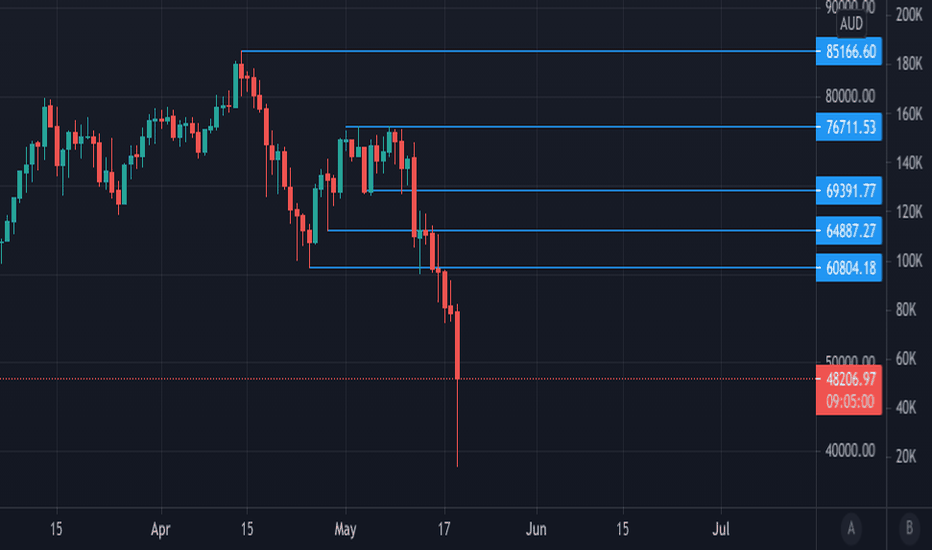 932×550 btc aud bitcoin aud price chart tradingview from www.tradingview.com
  1207×687 chart showing bitcoin year sample charts from www.aploris.com
  2524×1340 bitcoin price analysis november from coinut.com
  1219×533 mengenal bitcoin lebih from bsiteid.blogspot.com