Crypto tokens are a versatile digital asset built on a blockchain, representing a specific utility, asset, or right. They’re essentially units of value within a particular ecosystem or project. Unlike cryptocurrencies like Bitcoin, which primarily function as digital currency and stores of value, tokens have a broader range of functionalities.
One of the most common uses is utility tokens. These grant holders access to a specific service or product within a particular platform. For example, a token might be needed to use certain features of a decentralized application (dApp) or to participate in a blockchain-based game. Think of it like a membership card or a coupon – holding the token unlocks access. This model incentivizes users to participate and contribute to the platform’s growth.
Another crucial type is security tokens. These represent ownership in a real-world asset, like shares in a company, real estate, or even artwork. They’re often subject to securities regulations because they essentially function as digital securities. Security tokens offer several advantages over traditional securities, including increased liquidity, fractional ownership (allowing smaller investments), and automated compliance through smart contracts.
Governance tokens are vital for decentralized autonomous organizations (DAOs). Holding these tokens grants the holder voting rights on proposals and decisions related to the project’s development and direction. This empowers token holders to actively participate in the governance process, fostering a more democratic and community-driven approach. They act as a digital representation of stakeholder influence.
Asset-backed tokens are pegged to the value of a physical asset, such as gold, real estate, or fiat currency. They offer investors the benefits of blockchain technology while maintaining a stable value relative to the underlying asset. These tokens bridge the gap between traditional assets and the digital world, making it easier to trade and manage physical assets.
Beyond these core categories, there are many other token types with specific purposes. Reward tokens are used to incentivize users for certain actions, such as contributing to a project or providing liquidity to a decentralized exchange. Collectible tokens (NFTs) represent unique digital assets, like art, music, or virtual real estate. These tokens demonstrate scarcity and ownership in the digital realm.
In summary, crypto tokens offer a powerful way to represent and manage value on the blockchain. They can provide access to services, represent ownership in assets, grant voting rights, or serve as a medium of exchange within a specific ecosystem. Their flexibility and programmable nature allows for a wide range of innovative applications, playing a crucial role in the evolution of decentralized finance (DeFi) and Web3.
 718×405 crypto tokens work from www.cypherock.com
  768×461 crypto tokens work mind setters from www.mindsetterz.com
  768×415 crypto token work investingcom from www.investing.com
  2024×1012 crypto tokens cases differences coins from dydx.exchange
  924×980 guide crypto token types bitcoin insider from www.bitcoininsider.org
  1200×1800 crypto tokens work daniel smith sep from medium.com
  1024×576 comfygen type cryptocurrency tokens from www.comfygen.com
  1100×825 token meaning decoded key insights crypto tokens from woolypooly.com
  1000×600 create cryptocurrency token beginners guide from www.alwin.io
  900×500 crypto tokens work techno blender from technoblender.com
  1200×600 token ultimate guide beginners from www.hivelance.com
  960×624 token cryptocurrency token explained skrumble from skrumble.com
  1280×720 types crypto tokens explained guardarian blog from guardarian.com
  1366×2048 ultimate guide crypto tokens from www.analyticsframe.com
  736×368 types cryptocurrency explained from www.pinterest.com
  474×274 popular types cryptocurrency tastylive from www.tastylive.com
  1024×576 crypto tokens work phemex from phemex.com
  1024×580 quick guide top crypto token types differences from globelivemedia.com
  2024×1012 crypto tokens dydx academy from dydx.exchange
  1200×500 token comprehensive guide crypto tokens from skilling.com
  2560×1440 crypto token types monetum from monetum.com
  780×470 comprehensive guide creating crypto tokens kat technical from kattechnical.com
  1200×600 top crypto tokens types prefer launch token from www.hivelance.com
  600×338 crypto coins tokens difference explained from zerion.io
  912×513 crypto tokens explained wealthy millionaire from wealthymillionaire.com
  768×432 crypto tokens crypto tokens work from www.blockchain-council.org
 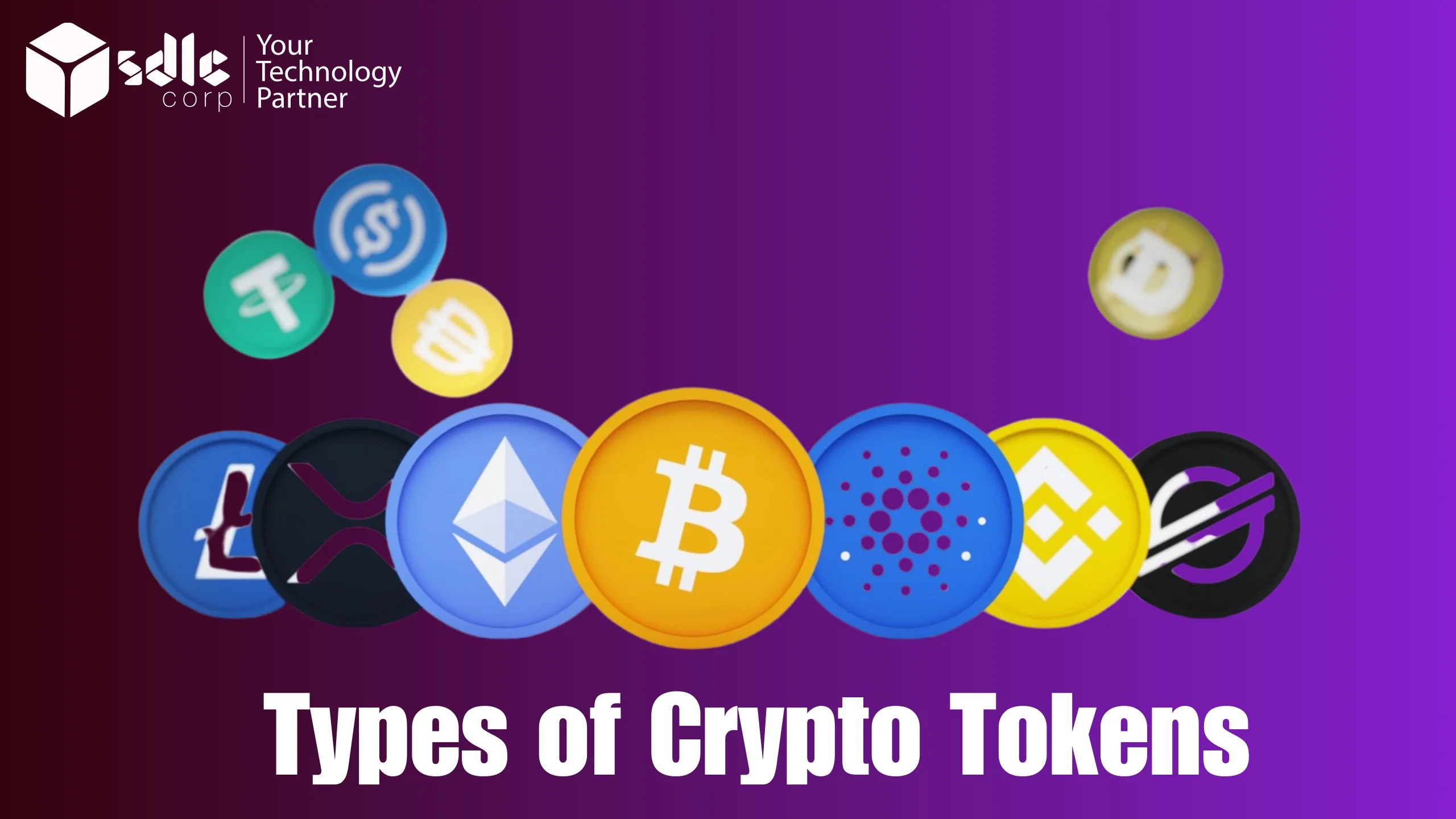 2560×1440 types crypto tokens sdlc corp from sdlccorp.com