The most recent Bitcoin halving occurred on May 11, 2020, at block height 630,000. This event, a fundamental aspect of Bitcoin’s design, reduced the block reward given to miners for verifying transactions and adding new blocks to the blockchain from 12.5 BTC to 6.25 BTC. This halving was the third in Bitcoin’s history, and its purpose, like previous ones, was to control the supply of new Bitcoin entering the market.
Satoshi Nakamoto, Bitcoin’s pseudonymous creator, programmed halvings into the Bitcoin protocol to ensure its scarcity. The total supply of Bitcoin is capped at 21 million coins. By periodically reducing the rate at which new coins are created, the halving mechanism mimics the scarcity of precious metals like gold. This scarcity is believed to be a crucial factor in Bitcoin’s perceived value and its potential to act as a store of value.
The halving event is a widely anticipated event in the cryptocurrency community, often accompanied by significant price speculation and volatility. Historically, halvings have been followed by substantial price increases in the months and years after the event. The logic is straightforward: with a decreased supply of new Bitcoin entering the market, demand remains constant (or increases), leading to a rise in price. However, it’s crucial to note that past performance is not indicative of future results. Market dynamics, global economic conditions, and investor sentiment all play significant roles in determining Bitcoin’s price.
Leading up to the 2020 halving, many analysts predicted a significant price surge. While the immediate aftermath didn’t result in an explosive rally, Bitcoin did experience a substantial bull run in the following months, eventually reaching all-time highs. However, attributing this price increase solely to the halving is an oversimplification. Other factors, such as increased institutional adoption, the rise of decentralized finance (DeFi), and the global economic uncertainty caused by the COVID-19 pandemic, also contributed to the price surge.
The 2020 halving also had implications for Bitcoin miners. With a reduced block reward, miners needed to become more efficient or find alternative revenue streams to remain profitable. Some smaller miners were forced to shut down their operations due to the decreased profitability, leading to a potential consolidation of mining power among larger players. Increased transaction fees, driven by heightened network activity, helped to offset some of the reduced block reward revenue for miners.
In conclusion, the 2020 Bitcoin halving was a significant event that underscored Bitcoin’s core principles of scarcity and controlled supply. While its precise impact on Bitcoin’s price is a subject of ongoing debate, the halving remains a crucial element in understanding Bitcoin’s long-term economic model and its potential as a digital asset.
 950×960 bitcoin halving years halting time from halvingtime.blogspot.com
  474×265 explaining bitcoin halving from www.publish0x.com
  1514×801 bitcoin halving price chart date countdown timer from themoneymongers.com
  977×636 bitcoin halving history bitcoin halving from crypto.eblock6.com
  2048×1088 bitcoin issuance halving means ethereum parker from medium.com
  1070×773 bitcoin halving history bitcoin halving months from medium.com
  1280×720 bitcoin halving heres bcgame blog from blog.bc.game
 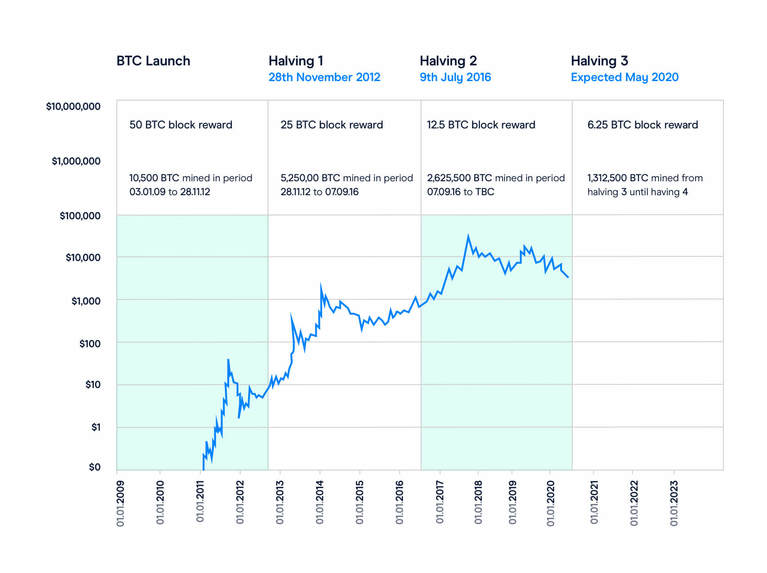 767×573 bitcoin halving cmc markets from www.cmcmarkets.com
  1400×601 bitcoin halving cycle final countdown sense cents from medium.com
  973×635 bitcoin halving countdown stormgain from stormgain.com
 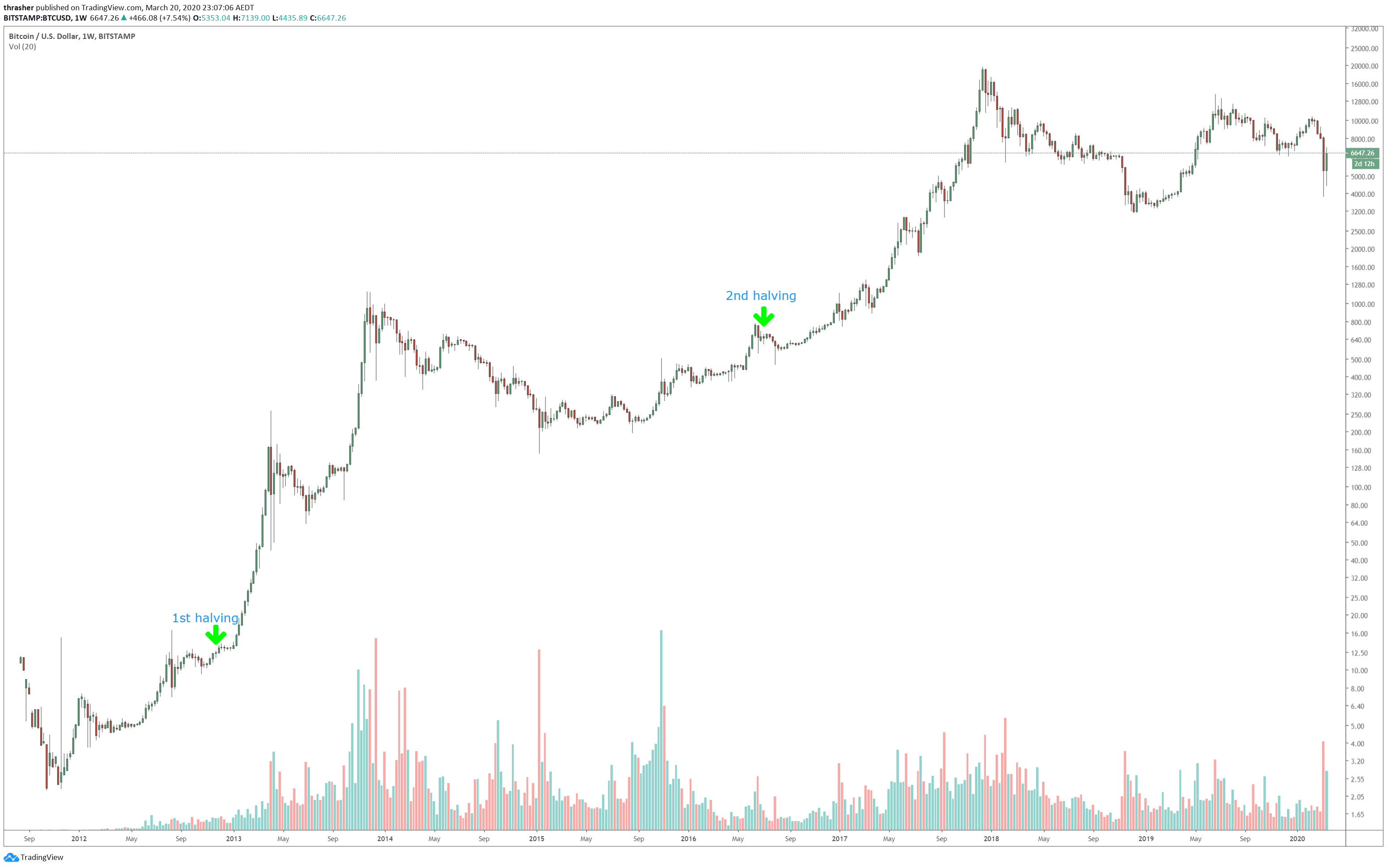 3097×1939 bitcoin halving essential questions answered from fullycrypto.com
  800×450 bitcoin halving explained bitcoin mining dubai uae abu from miner.ae