Here’s some information about logging into Bitcoin, formatted in HTML: “`html
Logging In to Bitcoin: Understanding Your Options
Bitcoin, being a decentralized digital currency, doesn’t have a traditional login like a website or email account. Instead, accessing and managing your Bitcoin involves proving ownership of your private keys. These keys are essentially digital passwords that allow you to authorize transactions and control your Bitcoin.
Wallets: Your Gateway to Bitcoin
Your Bitcoin “login” is fundamentally tied to your Bitcoin wallet. A wallet stores your private keys and allows you to interact with the Bitcoin network. There are various types of wallets, each with different security tradeoffs and login procedures:
- Software Wallets (Desktop/Mobile): These are applications you install on your computer or smartphone. To access your Bitcoin, you’ll typically need a password or PIN that encrypts your wallet file. If you forget this password and haven’t created a backup of your wallet, you risk losing access to your Bitcoin. Some software wallets also offer biometric authentication (fingerprint or facial recognition) for added security.
- Hardware Wallets: These are physical devices that store your private keys offline, making them highly secure. When you want to make a transaction, you connect the hardware wallet to your computer and confirm the transaction on the device itself. Accessing a hardware wallet usually involves entering a PIN code on the device. If you forget your PIN, you might need to use a recovery phrase (a series of words generated when you set up the wallet) to restore access.
- Web Wallets (Exchange Accounts): These are online accounts hosted by cryptocurrency exchanges or other online services. To log in, you’ll typically use a username and password, often with two-factor authentication (2FA) for added security. However, with web wallets, you’re trusting a third party to hold your private keys, making them potentially vulnerable to hacking or theft.
- Paper Wallets: This involves printing your public and private keys on a piece of paper. While very secure if stored properly, using a paper wallet to spend Bitcoin is complex and prone to error. There isn’t a direct “login” process; you’d need to import the private key into a software wallet to use the Bitcoin.
The Importance of Your Seed Phrase (Recovery Phrase)
Regardless of the wallet type you choose, a crucial aspect is the seed phrase, also known as a recovery phrase. This is a series of 12 or 24 words that allows you to restore your wallet and access your Bitcoin if you lose your device, forget your password, or encounter other issues. It is paramount that you store this seed phrase securely and offline. Never share it with anyone, and avoid storing it digitally (e.g., in a text file or email).
Best Practices for Secure “Login”
- Choose a strong password: If using a software or web wallet, use a unique and complex password that you don’t use for other accounts.
- Enable two-factor authentication (2FA): This adds an extra layer of security by requiring a code from your phone or authenticator app in addition to your password.
- Back up your wallet: Regularly back up your wallet file or seed phrase to a secure location.
- Keep your software up to date: Update your wallet software to the latest version to benefit from security patches and bug fixes.
- Be wary of phishing scams: Never click on suspicious links or enter your private keys or seed phrase on untrusted websites.
In summary, “logging in” to Bitcoin is about proving control of your private keys through your chosen wallet. Prioritizing security measures like strong passwords, 2FA, secure seed phrase storage, and awareness of phishing attempts is essential to protect your Bitcoin.
“`
 0 x 0 login bitcoincom wallet account bitcoincom wallet login from www.youtube.com
  474×266 bitcoin wallet blockchain wallet store invest from thepunchnewsupdate86686.blogspot.com
  1600×600 sign bitcoin bitcoin design from bitcoin.design
  800×600 bitcoin login bitcoin login design bitcoin account from www.pinterest.com
  0 x 0 login bitcoin wallet account bitcoin wallet login youtube from www.youtube.com
  2880×1800 started bitcoin wallet from cryptocrooks.com
 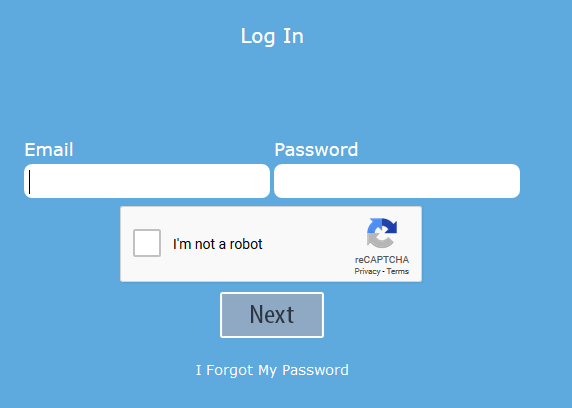 572×408 bitcoin wallet sign log bitcoin wallet account registration from hitsbase.com
 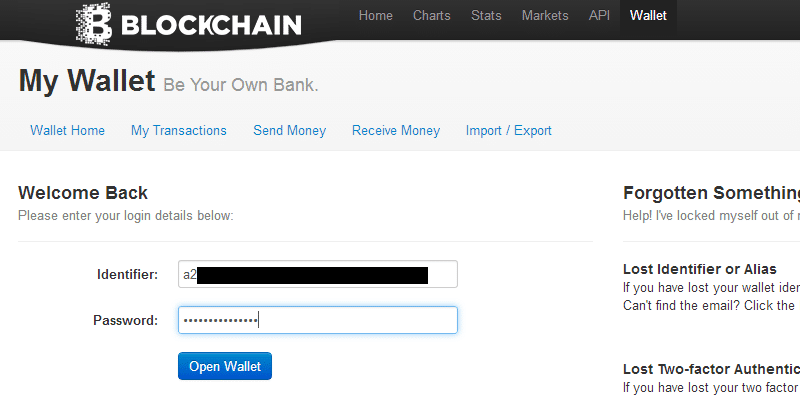 800×397 bitcoin operating system create bitcoin donation button blockchain from bitcoinsystem.blogspot.com
  1280×720 quickest login bitcoin block chain wallet youtube from www.youtube.com
  1200×630 create account bitcoincom app from app.bitcoin.com
  0 x 0 create bitcoin wallet account youtube from www.youtube.com
  0 x 0 create bitcoin account youtube from www.youtube.com
 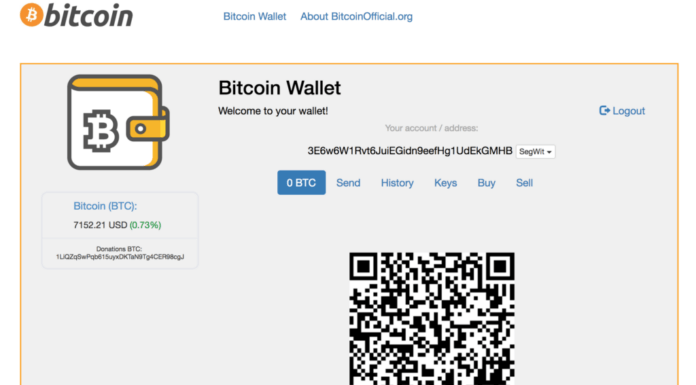 696×385 bitcoinofficialorg open bitcoin wallet from knnit.com
  1721×1113 quickly easily open bitcoin account bvnk from medium.com
  1024×466 mercado bitcoin login como criar sua conta from pinkfire.com.br
  1920×1920 bitcoin login flat illustration editable style vector art from www.vecteezy.com
  720×1280 wallet bitcoin wiki from bitcoin.it
  2000×1200 bitcoin wallets uk from bitcourier.co.uk
  0 x 0 create account bitcoin core wallet bitcoin core wallet from www.youtube.com
  936×495 bitcoin accounts open btc account from insidebitcoins.com
 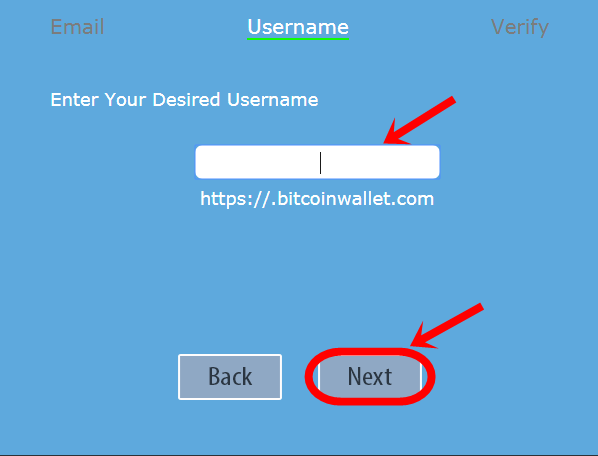 598×456 bitcoin sign account buy bitcoin from hitsbase.com
  1331×668 daily win bitcoin earn money ebtcinfo from e-btcinfo.blogspot.com
  840×1120 create bitcoin account buy bitcoin from www.fondazionealdorossi.org
  840×1120 bitcoin wallet facts miners sale from www.minersforsale.net
  1080×1920 bitcoin wallet screenshot from ar.inspiredpencil.com
 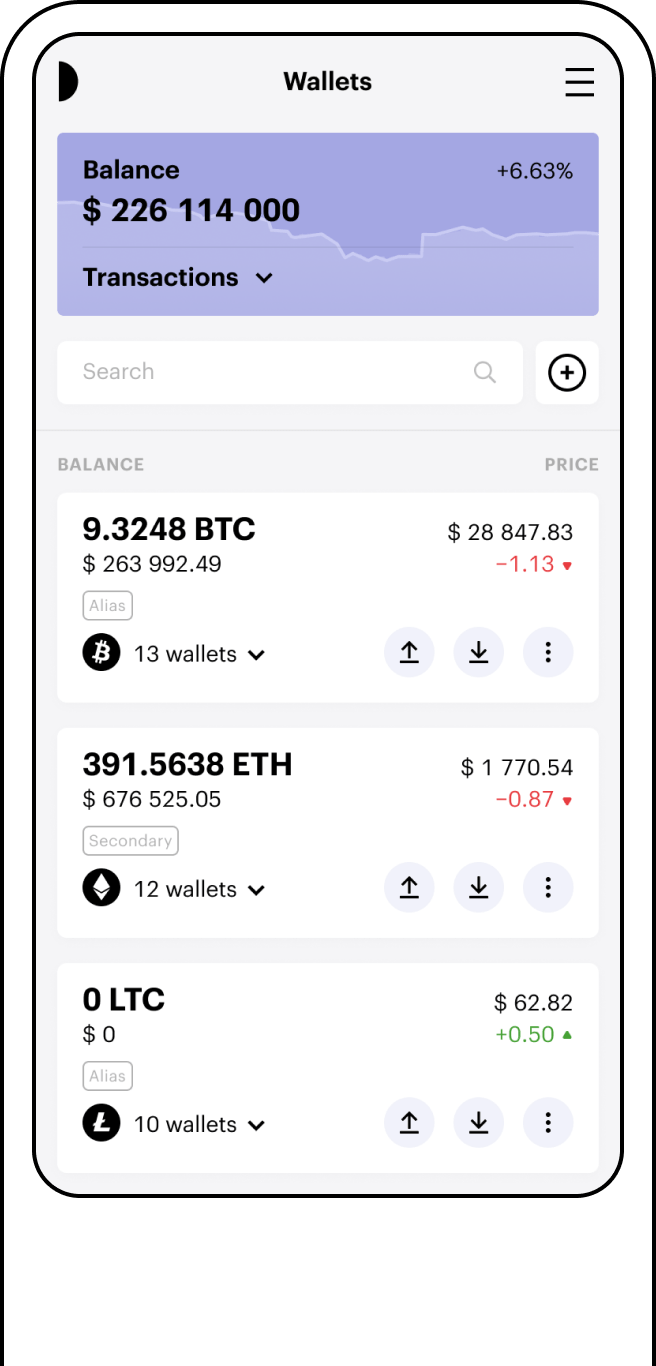 656×1366 votre wallet bitcoin le meilleur portefeuille btc gratuit paybis from paybis.com
  2048×1365 bitcoin wallet types functions from havokjournal.com
  495×280 bitcoin crypto currency login page input stock vector royalty from www.shutterstock.com
  0 x 0 find bitcoin wallet address coinbasecom youtube from www.youtube.com