Bitcoin ATMs: Bridging the Gap Between Cash and Crypto
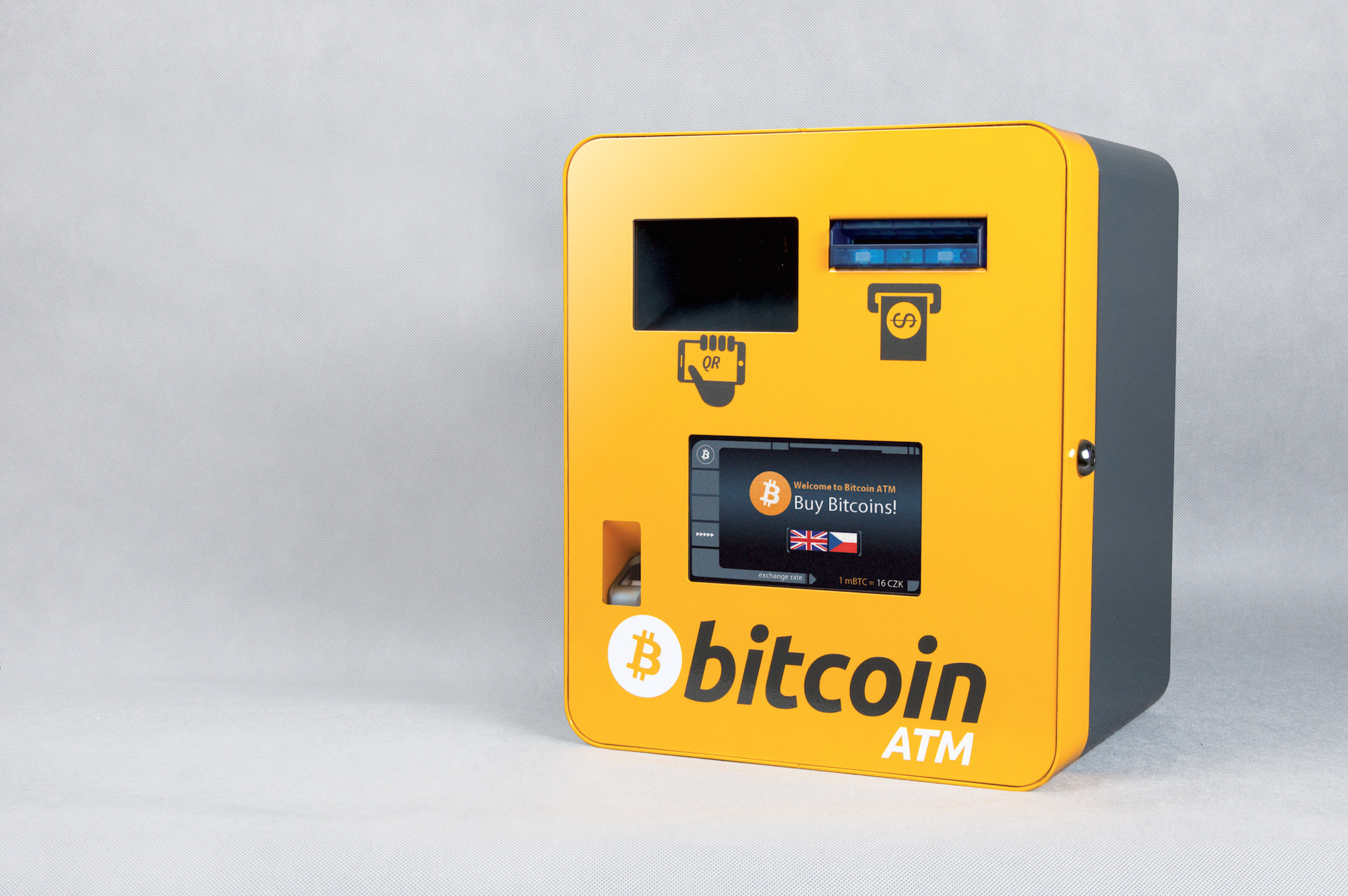
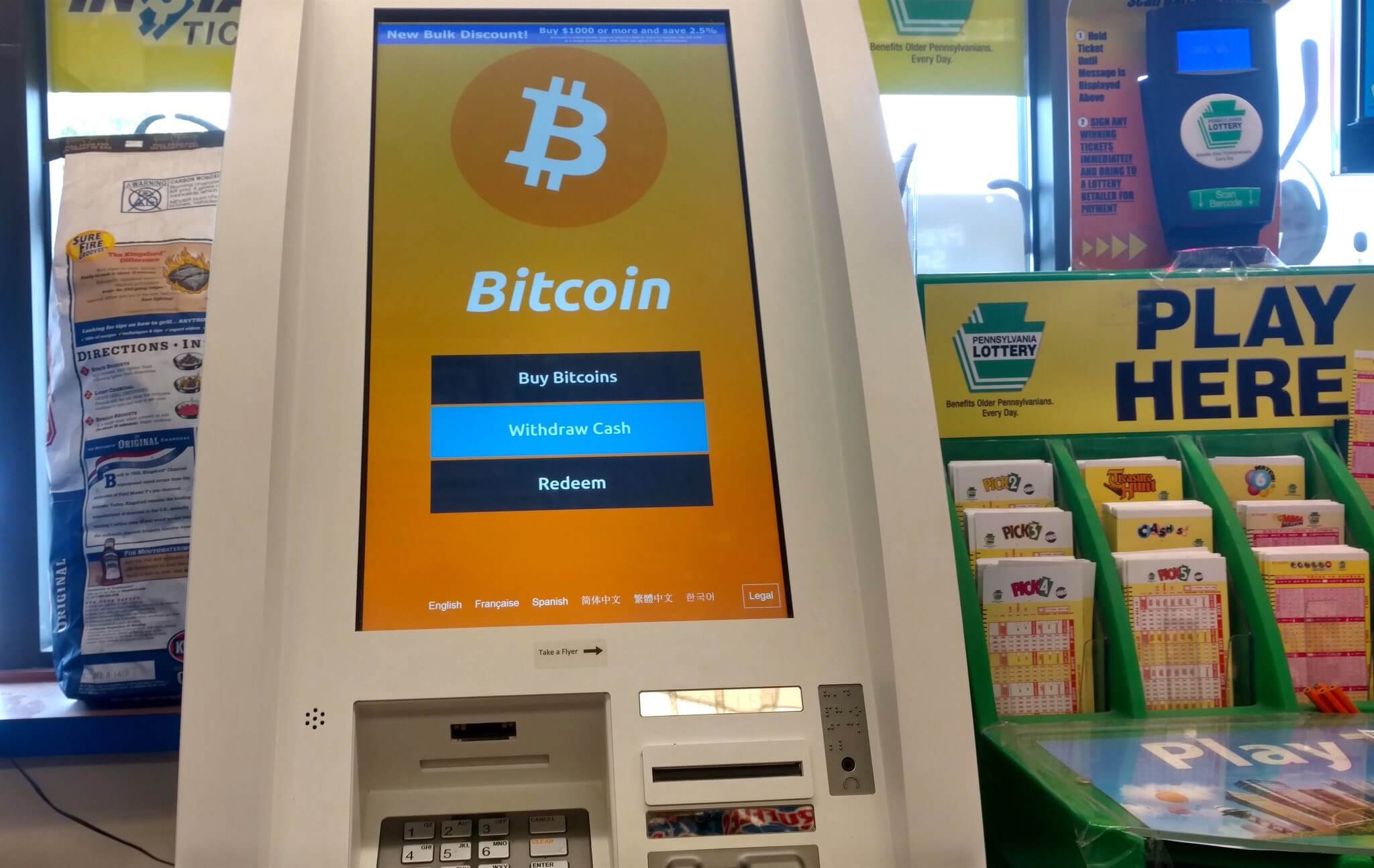
Bitcoin ATMs, often called BTMs, provide a physical interface for individuals to buy and sometimes sell Bitcoin and other cryptocurrencies using cash or debit cards. They serve as a bridge connecting the traditional financial world with the digital asset space, offering a convenient, albeit sometimes costly, on-ramp for newcomers and a potentially discreet option for existing crypto users.
How They Work
Operating a Bitcoin ATM is generally straightforward. The user typically initiates the process by identifying themselves via a phone number verification, scanning a government-issued ID, or even a fingerprint, depending on the specific ATM’s security protocols and regional regulations. This identification is crucial for compliance with anti-money laundering (AML) laws and Know Your Customer (KYC) requirements.
Once verified, the user can select the cryptocurrency they wish to purchase or sell. Bitcoin is the most commonly supported cryptocurrency, but many ATMs also offer alternatives like Litecoin, Ethereum, and others. For purchases, the user inserts cash into the machine. The amount is then converted into the equivalent value of the chosen cryptocurrency based on the ATM’s exchange rate, which usually includes a transaction fee. The purchased cryptocurrency is then sent to the user’s digital wallet address, which they provide by scanning a QR code displayed on their smartphone or inputting the wallet address manually.
Selling Bitcoin at a BTM follows a similar process in reverse. The user initiates a transaction and specifies the amount of cryptocurrency they wish to sell. The ATM generates a QR code representing an address to which the user must send the cryptocurrency from their digital wallet. Once the transaction is confirmed on the blockchain, the ATM dispenses the equivalent cash amount, minus the ATM’s transaction fee.
Advantages and Disadvantages
Bitcoin ATMs offer several advantages. They provide accessibility to individuals who may not have access to traditional cryptocurrency exchanges due to banking limitations or lack of technical expertise. They offer a degree of privacy for those who prefer to avoid linking their bank accounts to cryptocurrency transactions. Finally, they can be a quick and easy way to convert cash into cryptocurrency and vice-versa, particularly in emergencies or when traveling.
However, there are also drawbacks. Transaction fees at Bitcoin ATMs are typically significantly higher than those charged by online exchanges. These fees can range from 7% to 20% or even higher, depending on the ATM operator and location. This premium is charged for the convenience and accessibility the ATMs provide. The level of anonymity, while often perceived as an advantage, is not absolute. Due to KYC regulations, many ATMs require user identification, limiting complete anonymity.
Regulation and Future
The regulatory landscape surrounding Bitcoin ATMs is constantly evolving. As governments grapple with the growth of cryptocurrencies, they are increasingly focusing on regulating BTMs to prevent illicit activities. This includes stricter KYC requirements, transaction limits, and enhanced monitoring. These regulations aim to strike a balance between fostering innovation in the crypto space and mitigating risks associated with money laundering and other financial crimes.
Despite regulatory challenges, Bitcoin ATMs continue to play a vital role in the cryptocurrency ecosystem. As awareness and adoption of digital assets grow, BTMs are likely to evolve with improved security features, wider cryptocurrency support, and greater integration with the broader financial system. Whether they will remain a prominent fixture in the crypto landscape remains to be seen, but they undoubtedly serve as a tangible gateway to the world of digital currencies.
 1988×2558 bitcoin atm whitehall hippo bitcoin atm from hippoatm.com
  1242×2208 bitcoin atm glendale galleria rbitcoin from www.reddit.com
  1200×1600 bitcoin atm earn bitcoin app ios from earnbitcoinappios.blogspot.com
  6720×4480 chicago fast bitcoin atm hot spot machines from www.newsbtc.com
  2448×3264 bitcoin atm fever list machines from 99bitcoins.com
  768×760 invest bitcoin from blog.kylegawley.com
  720×448 bitcoin atm from www.bigbook.ag
  2000×1330 bitcoin atm business started chief from b-chief.org
  2048×1294 de unde cumperi bitcoin atm sau exchange criptomonedenet from www.criptomonede.net
  864×1080 bitcoin atm find from 99bitcoins.com
  1579×888 bitcoin atm explained cryptocurrency atm coincodex from coincodex.com
  2560×1707 buy bitcoin bitcoin atm growth btm from growthbtm.com