Bitcoin Mining Cost
Bitcoin mining, the process of verifying and adding new transactions to the blockchain, requires significant computational power and, therefore, incurs substantial costs. Understanding these costs is crucial for anyone considering participating in the mining ecosystem or investing in related companies.
Electricity Consumption: The Dominant Cost
The primary cost associated with Bitcoin mining is electricity. Mining relies on specialized hardware, known as ASICs (Application-Specific Integrated Circuits), which consume massive amounts of power to perform complex cryptographic calculations. The more powerful the ASIC, the higher its hash rate (the rate at which it can solve these calculations), but also the greater its energy consumption. The cost of electricity varies widely depending on geographic location. Regions with access to cheap energy sources, such as hydroelectric power in Iceland or renewable energy in certain parts of China, are generally more attractive for miners. Conversely, areas with high electricity rates, such as parts of Europe and North America, can make mining unprofitable. Miners often seek out locations with subsidized electricity or access to stranded energy resources to minimize this expense.
Hardware Costs: An Initial Investment
Acquiring and maintaining mining hardware represents a significant upfront investment. ASIC miners are expensive, and their performance degrades over time as newer, more efficient models are released. The lifespan of an ASIC miner is typically limited to a few years, forcing miners to periodically upgrade their equipment to remain competitive. This necessitates a continual investment in new hardware. Furthermore, mining hardware generates a considerable amount of heat, requiring sophisticated cooling systems to prevent overheating and damage. These cooling systems also contribute to the overall cost of mining.
Operational Costs: Beyond Electricity and Hardware
Beyond electricity and hardware, miners face a range of operational costs. These include:
- Maintenance and Repair: Mining equipment is prone to failure, requiring regular maintenance and repairs.
- Facility Costs: Miners often require dedicated facilities to house their equipment, which may involve rent or mortgage payments.
- Internet Connectivity: A stable and reliable internet connection is essential for miners to participate in the network.
- Labor Costs: Large-scale mining operations may require personnel to manage and maintain the equipment.
- Pool Fees: Many miners join mining pools to increase their chances of earning rewards. These pools charge a fee for their services.
Cost Fluctuations and Profitability
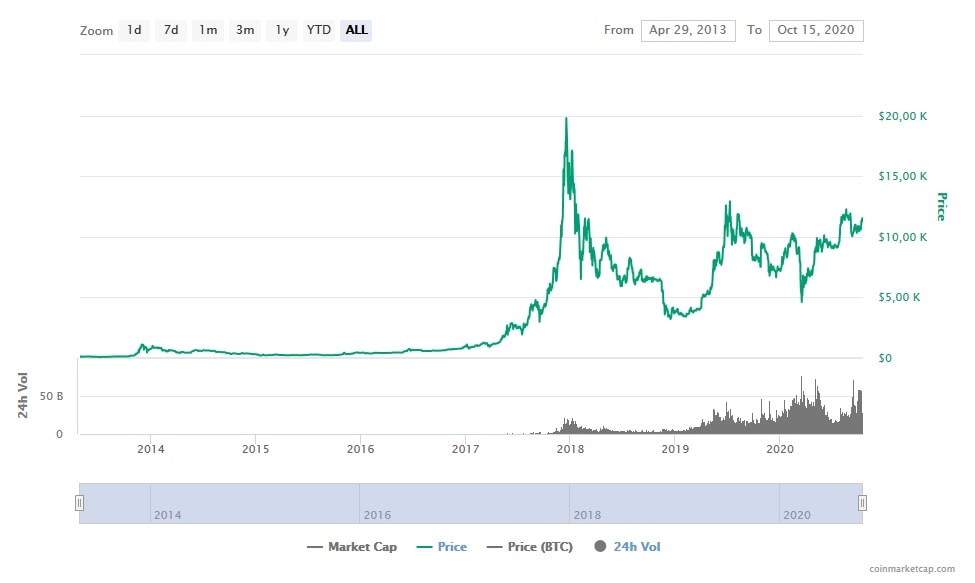
The profitability of Bitcoin mining is highly variable and depends on several factors, including the price of Bitcoin, the network difficulty (a measure of how computationally challenging it is to mine), and the cost of electricity. As the price of Bitcoin increases, mining becomes more profitable, attracting more miners and increasing the network difficulty. Conversely, when the price of Bitcoin falls, mining profitability decreases, potentially forcing less efficient miners to shut down. This dynamic interplay between price, difficulty, and cost makes Bitcoin mining a complex and constantly evolving business. Ultimately, the cost of mining is a critical determinant of the long-term sustainability of the Bitcoin network.
 659×1024 cost bitcoin mining cost bitcoin technomusk from www.technomusk.com
  3473×1951 cost bitcoin chart from ruangmenggambar465.blogspot.com
  1500×1007 bitcoin mining chart earn btc month from howtoearn1btcpermonth.blogspot.com
  600×315 chart day cost bitcoin infographics ihodlcom from ihodl.com
  1450×2122 cost mining bitcoin bitcoin mining chart from ruangmenggambar464.blogspot.com
  430×340 cost mining bitcoin quantification energy from makalah014.blogspot.com
  2277×1706 bitcoin mining from socialbarrel.com
  975×583 bitcoin mining profitable stormgain from stormgain.com
  1305×569 find bitcoin mining cost bitcoinik from bitcoinik.com