Bitcoin Network Fee
Bitcoin network fees are a critical component of the Bitcoin ecosystem, serving as the economic incentive for miners to prioritize and include transactions in a block. Understanding these fees is essential for anyone using or interacting with the Bitcoin network.
In essence, network fees are payments made by users to compensate miners for the computational effort required to process and secure their transactions. Miners prioritize transactions with higher fees because they receive those fees as a reward, along with the block subsidy (newly minted Bitcoin). Without fees, there would be little incentive for miners to maintain the network, particularly as the block subsidy continues to halve over time.
Several factors influence the size of Bitcoin network fees. The most significant is network congestion. When the network is experiencing high demand, with many users trying to send transactions simultaneously, the number of pending transactions in the mempool (memory pool) increases. This leads to a bidding war, where users increase their fees to entice miners to prioritize their transactions. Conversely, when network activity is low, fees tend to be lower as miners have less competition for transaction selection.
Transaction size also plays a role. Bitcoin fees are generally calculated based on the size of the transaction in bytes, not the value being transferred. A more complex transaction, with multiple inputs and outputs, will be larger in size and therefore require a higher fee. This is because miners have to dedicate more resources to process and validate larger transactions.
The specific fee amount required to ensure timely transaction confirmation fluctuates constantly. Websites and wallets often provide fee estimation tools that analyze current network conditions and suggest appropriate fee levels. These tools typically display fees in satoshis per virtual byte (sat/vB), a unit that represents the fee paid per unit of transaction size.
Users can often customize the fees they pay when sending Bitcoin transactions. Paying a higher fee increases the likelihood of faster confirmation, while paying a lower fee might result in a longer wait or even transaction failure if the fee is too low and the network remains congested for an extended period. This presents a trade-off between speed and cost.
The design of the Bitcoin network fee system has implications for its long-term sustainability. As the block subsidy decreases, transaction fees are expected to become the primary source of revenue for miners. This transition is crucial for maintaining network security and ensuring the continued operation of the Bitcoin blockchain.
Innovations like Segregated Witness (SegWit) and the Lightning Network have helped to mitigate the impact of high fees. SegWit optimizes block space utilization, allowing more transactions to be included in each block. The Lightning Network provides a layer-two scaling solution that enables off-chain transactions, reducing the load on the main Bitcoin blockchain and lowering fees for small transactions.
In conclusion, Bitcoin network fees are a dynamic and essential part of the Bitcoin ecosystem. They serve as an incentive for miners, reflect network demand, and influence transaction confirmation times. Understanding the factors that affect fees and utilizing available fee estimation tools are crucial for effectively using the Bitcoin network.
 474×160 bitcoin transaction fees work from cryptocurrencyfacts.com
 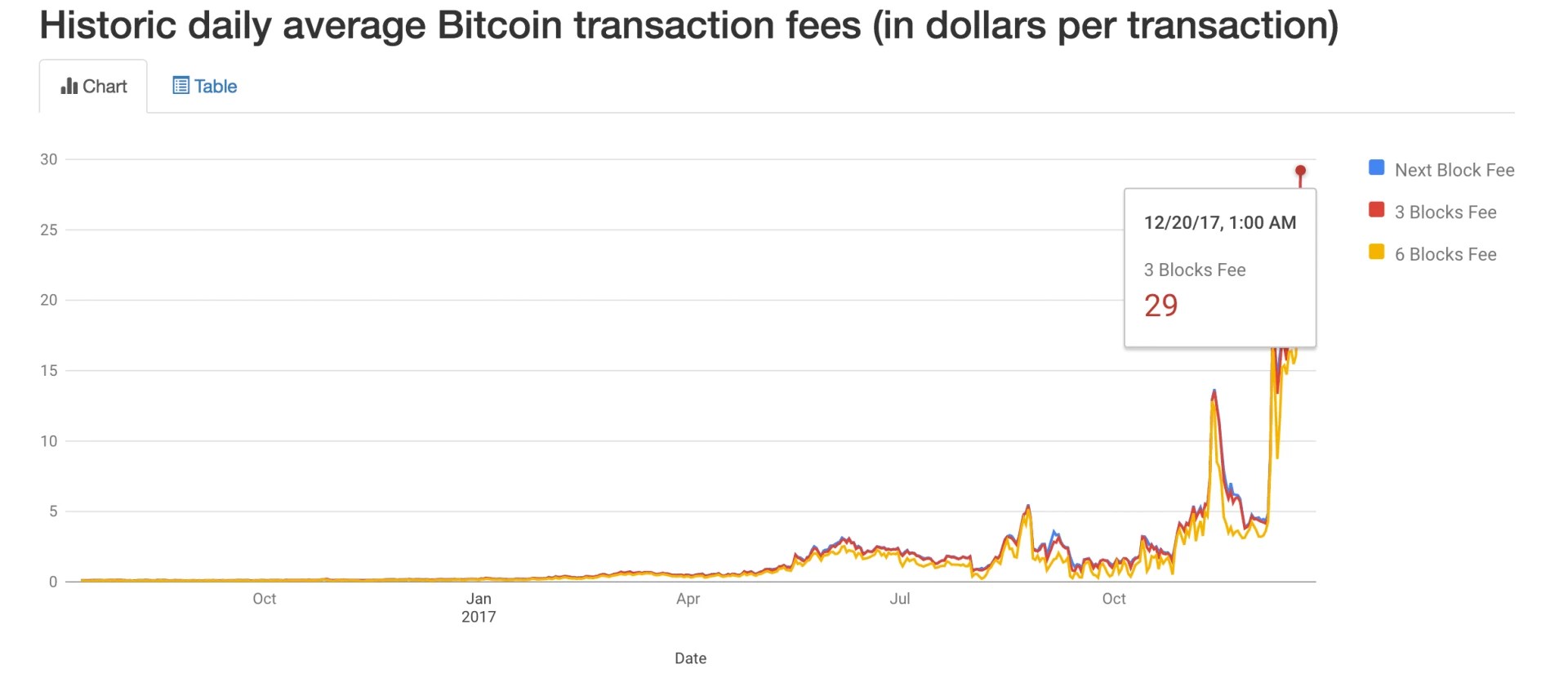 2048×891 bitcoin network fee cryptocoinnews from cryptocoin.news
  1200×672 bitcoin transactions work from blokt.com