Bitcoin Supply
Understanding Bitcoin’s Limited Supply
Bitcoin’s scarcity is a fundamental characteristic that distinguishes it from traditional fiat currencies. Unlike government-issued money which can be printed at will, Bitcoin has a fixed and predetermined supply cap of 21 million coins. This scarcity is hardcoded into its design, ensuring that no more than 21 million Bitcoins will ever exist.
How Bitcoin is Created: Mining and the Block Reward
New Bitcoins are introduced into circulation through a process called “mining.” Miners use powerful computers to solve complex cryptographic puzzles. When a miner successfully solves a puzzle, they are rewarded with newly minted Bitcoin, along with transaction fees paid by users on the network. This reward is called the “block reward,” and it incentivizes miners to secure the Bitcoin network by validating and adding new transactions to the blockchain.
The Halving: Reducing the Block Reward
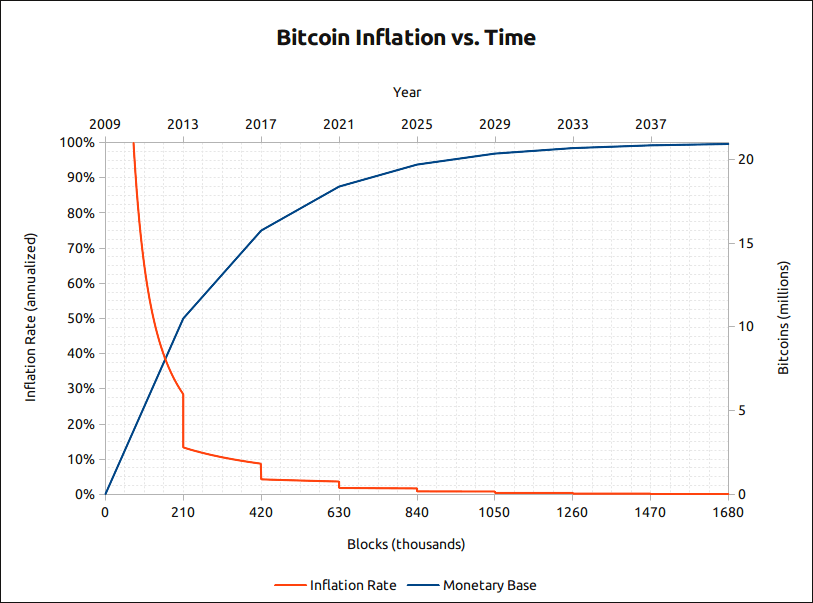
The Bitcoin protocol incorporates a mechanism known as the “halving,” which occurs approximately every four years (specifically, every 210,000 blocks). During a halving, the block reward is cut in half. Initially, the block reward was 50 BTC. After the first halving, it became 25 BTC, then 12.5 BTC, and most recently 6.25 BTC. This predictable reduction in the rate at which new Bitcoin is created is key to achieving the finite supply of 21 million.
Approaching the Limit: The Slow Crawl to 21 Million
Because of the halving events, the rate at which new Bitcoins enter the market is continuously decreasing. This means it will take a long time to mine the final Bitcoins. It is projected that the last Bitcoin will be mined around the year 2140. After that, miners will continue to be incentivized to maintain the network by collecting transaction fees.
Lost Bitcoins: A Further Constraint on Available Supply
While the theoretical maximum supply is 21 million, the practical supply is even lower. Over the years, a significant number of Bitcoins have been lost due to various reasons, such as lost private keys, forgotten passwords, or accidental destruction of wallets. These lost Bitcoins are essentially irretrievable, effectively reducing the circulating supply below the theoretical maximum.
Scarcity and Value
Bitcoin’s limited supply is a key driver of its value proposition. The combination of a predetermined maximum supply and increasing demand suggests that Bitcoin’s value could potentially increase over time. This perceived scarcity is often cited as a reason for Bitcoin’s popularity as a store of value and a hedge against inflation.
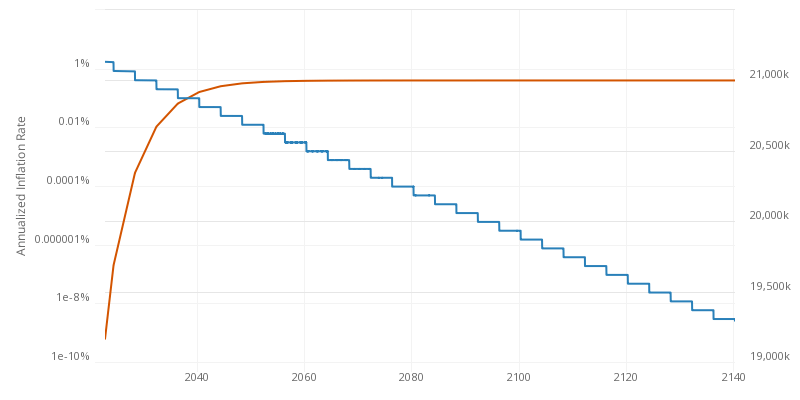 800×400 bitcoin future supply chart bitcoin visuals from bitcoinvisuals.com
 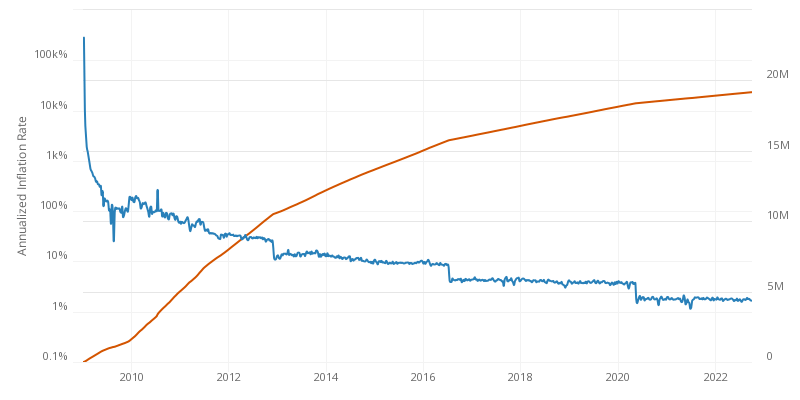 800×400 bitcoin total supply chart bitcoin visuals from bitcoinvisuals.com
  1525×778 controlled supply bitcoin wiki from en.bitcoin.it
  2382×1336 quantifying short term long term holder bitcoin supply from insights.glassnode.com
 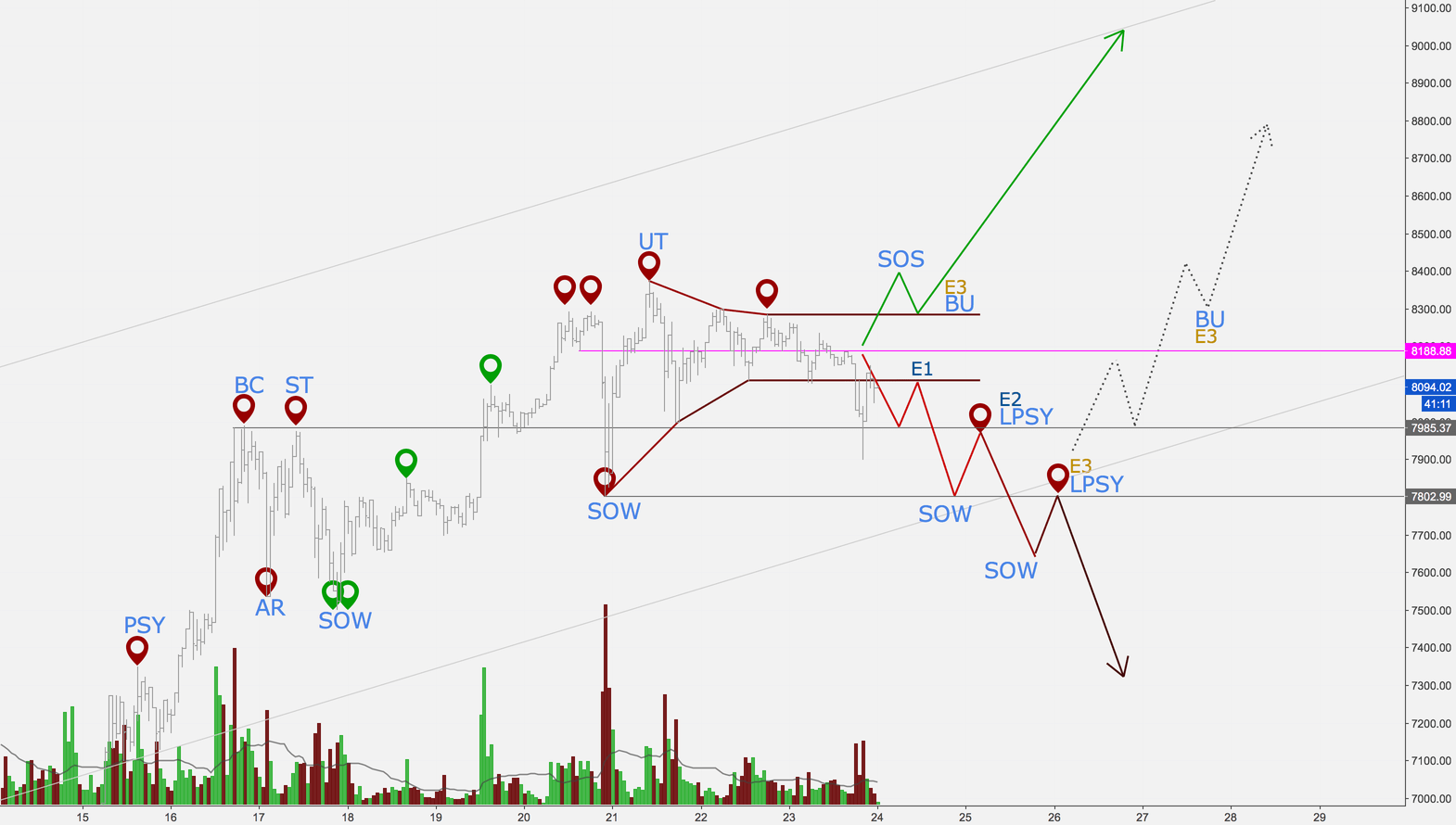 1570×890 bitcoin supply demand coinbasebtcusd unknownunicorn from www.tradingview.com
  1200×797 bitcoin chart reveals supply remains unmoved bitcoin crypto from www.altcoinbuzz.io
 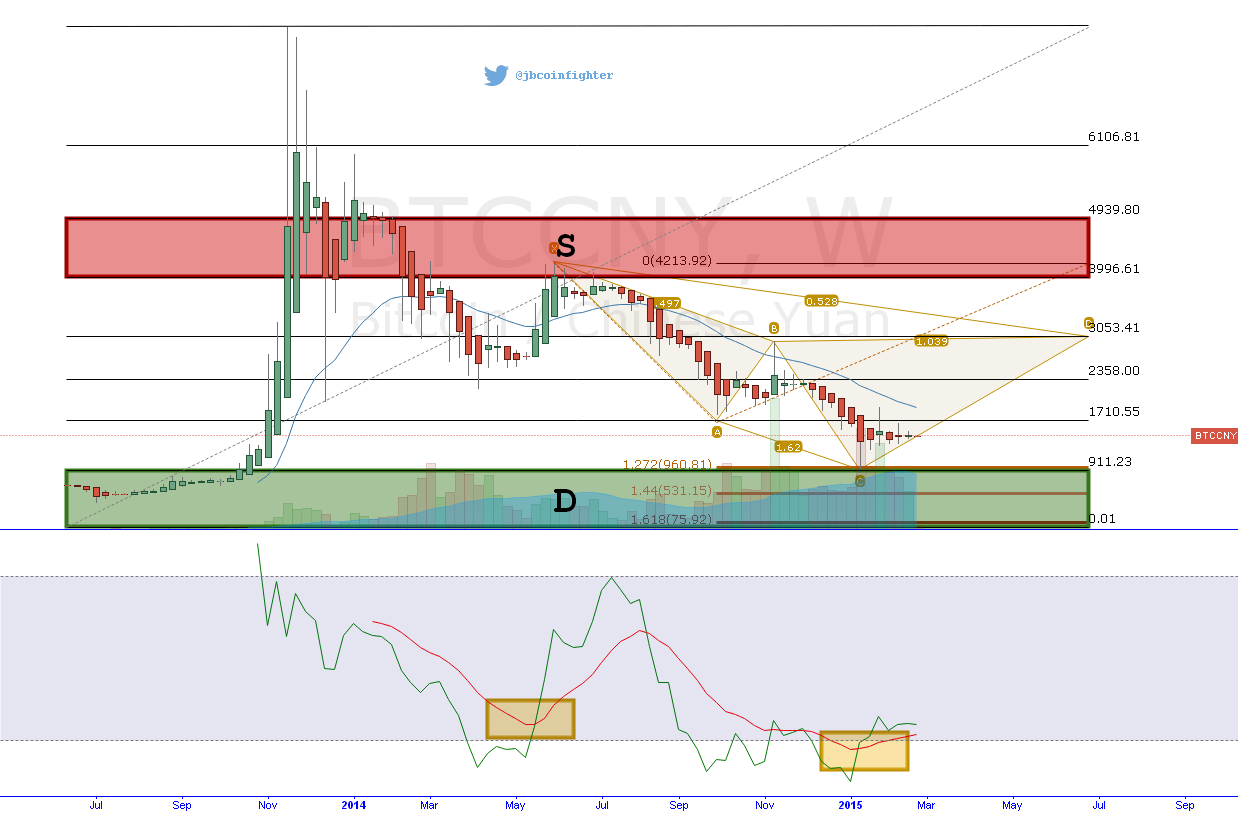 1238×817 bitcoin supplydemand levels okcoinbtccny ft tradingview from www.tradingview.com
  979×640 andreas antonopoulos explains bitcoins million supply cap coinivore from coinivore.com
  1200×692 bitcoins chain transfers leading indicator corrections from www.forexcrunch.com
  2779×1182 bitcoin liquidity shortage supply blockchain global from blockchainglobal.be
  813×603 bitcoins mined hour daily left from coinguides.org