Crypto Bull Run History Timeline
Crypto Bull Run History: A Timeline
The cryptocurrency market is known for its volatility, punctuated by periods of explosive growth known as “bull runs.” These runs can be exhilarating for investors but also carry significant risk. Understanding past bull runs can provide valuable context for navigating the market’s cyclical nature. Here’s a brief timeline:
2011: The Early Days (and Mini-Bull)
While nascent, 2011 saw Bitcoin experience its first significant price surge. Fueled by early adopters and growing awareness, Bitcoin jumped from under $1 to over $30 in a matter of months. This was short-lived, crashing back down, but it demonstrated the potential for rapid price appreciation. This early surge was primarily driven by speculation and the allure of a decentralized currency challenging traditional financial systems.
2013: The Mt. Gox Era and Beyond
2013 saw two distinct bull runs. The first, in the spring, was fueled by increased adoption and positive media coverage. Bitcoin reached a high of around $266 before correcting. The second, in late 2013, was more dramatic, propelled by increased awareness in China and institutional interest, pushing the price to over $1,000. This run ended with the collapse of the Mt. Gox exchange in early 2014, a major blow that triggered a significant bear market.
2017: The Altcoin Explosion and ICO Boom
2017 marked a watershed moment for cryptocurrencies. Bitcoin soared from under $1,000 at the beginning of the year to nearly $20,000 by December. This bull run wasn’t solely about Bitcoin; it was driven by a surge in altcoins (alternative cryptocurrencies) and the Initial Coin Offering (ICO) boom. Projects raised significant capital through ICOs, creating hype and speculation. Ethereum also gained prominence as a platform for building decentralized applications (dApps). However, many ICO projects failed to deliver, leading to a subsequent market correction.
2020-2021: Institutional Adoption and DeFi Rise
The bull run of 2020-2021 differed significantly from previous cycles. It was largely driven by institutional adoption, with companies like MicroStrategy and Tesla investing heavily in Bitcoin. The rise of Decentralized Finance (DeFi) on the Ethereum blockchain also played a crucial role, introducing new financial applications and generating significant yield for users. This run saw Bitcoin reach an all-time high of nearly $69,000 in November 2021. Altcoins also experienced significant gains, with meme coins like Dogecoin gaining mainstream attention, often fueled by social media hype.
Lessons Learned
Past bull runs highlight several key factors: increasing adoption, technological advancements, regulatory developments, and market sentiment. While predicting the future is impossible, analyzing these factors can help investors make informed decisions. Remember that bull runs are inevitably followed by bear markets, and prudent risk management is essential for long-term success in the volatile cryptocurrency market.
 1200×1554 beginning bitcoin bull run visual capitalist from www.visualcapitalist.com
 1472×888 history repeats bitcoin reach bull cycle from cryptopotato.com
 474×328 bitcoin historic chart suggests bull run starting from cryptopotato.com
 1444×683 crypto market strongest bull run history coming healthy from investinghaven.com
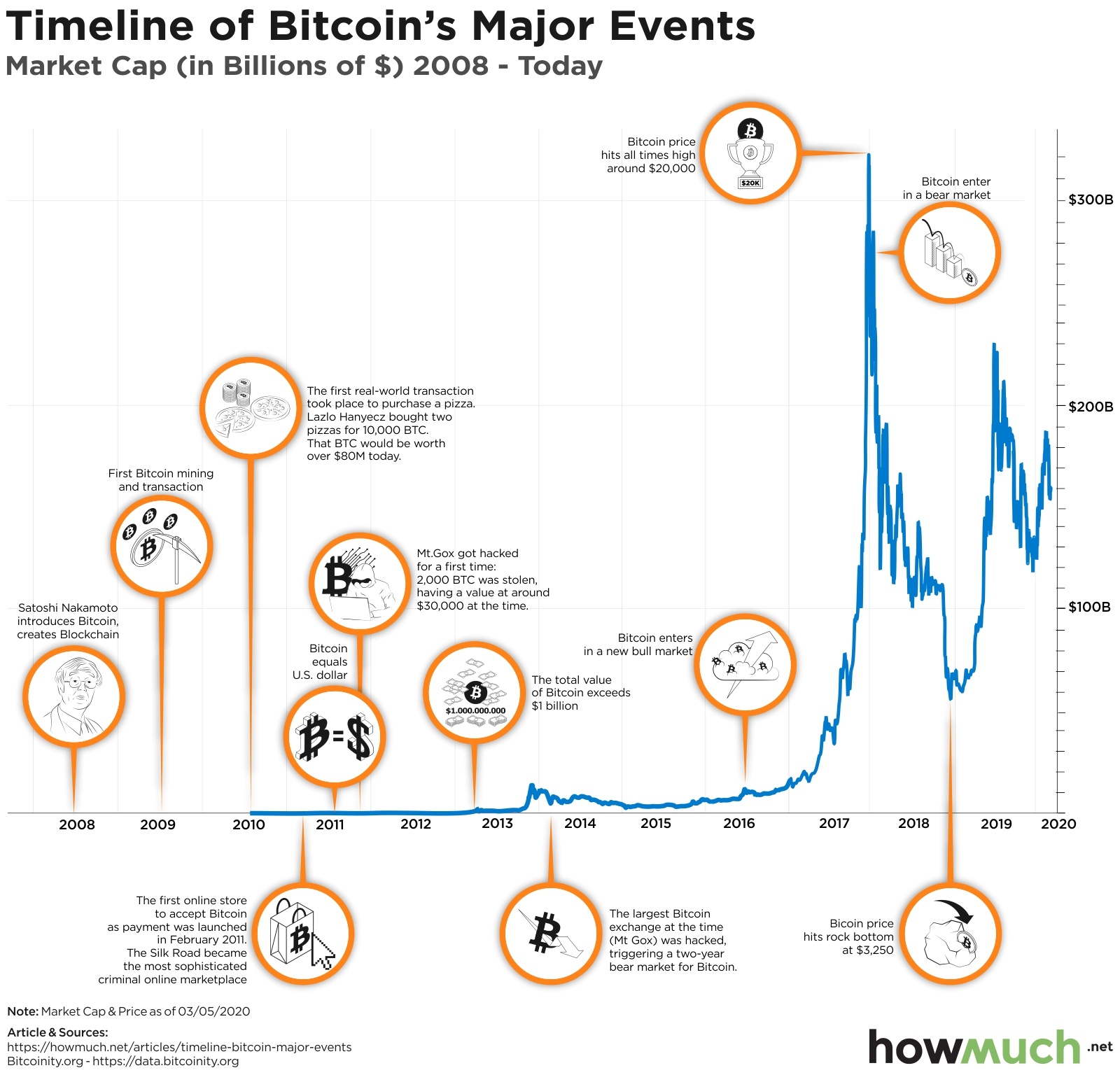 1600×1536 visualizing bitcoins wild ride decade from howmuch.net