Btc Bull Run Over
The BTC Bull Run: Is It Over?
The question on every crypto enthusiast’s mind: is the Bitcoin bull run of the past year officially over? The answer, as always in the crypto world, is complex and nuanced. While Bitcoin has experienced a significant correction from its all-time high near $69,000, declaring the bull run dead requires a careful consideration of various factors.
One key aspect to consider is the definition of a “bull run.” Generally, it signifies a sustained period of rising prices driven by strong investor demand and positive sentiment. The recent peak was fueled by institutional adoption, increased mainstream awareness, and the narrative of Bitcoin as a hedge against inflation. However, the subsequent drop suggests a shift in market dynamics.
Several factors contributed to the correction. Macroeconomic pressures, including rising inflation and the Federal Reserve’s hawkish stance on interest rates, dampened investor appetite for risk assets, including cryptocurrencies. Geopolitical instability further exacerbated the situation. Regulatory uncertainty, particularly regarding stablecoins and crypto taxation, also played a role.
On-chain data offers further insights. Long-term holders, often considered the “smart money,” have largely remained unfazed, continuing to accumulate Bitcoin. However, short-term holders, more susceptible to market volatility, have been selling off. This suggests a potential shift in ownership from weaker hands to stronger hands, which could be a positive sign in the long term.
Technical analysis paints a mixed picture. Bitcoin has broken below several key support levels, indicating a bearish trend. However, oversold conditions and potential for a “dead cat bounce” could lead to temporary rallies. The crucial level to watch remains the previous cycle’s all-time high near $20,000. A decisive break below this level would significantly strengthen the bear case.
Ultimately, predicting the future of Bitcoin is impossible. While the current market conditions suggest a bear market or at least a period of consolidation, the underlying fundamentals of Bitcoin remain strong. Its limited supply, decentralized nature, and increasing adoption continue to support its long-term potential. Whether this is merely a pullback within a larger bull market or the end of the cycle remains to be seen. Investors should exercise caution, conduct thorough research, and only invest what they can afford to lose.
Instead of focusing on whether the bull run is “over,” a more pragmatic approach involves assessing individual risk tolerance, diversifying portfolios, and adopting a long-term perspective. The crypto market is inherently volatile, and navigating it successfully requires patience, discipline, and a deep understanding of the underlying technology and market dynamics.
 1452×752 bitcoin timing top current bull cycle bncblx from www.tradingview.com
  1546×816 bitcoin year cycle bull run bitstampbtcusd from www.tradingview.com
  2374×1422 btc ready bull run indexbtcusd eblockchain from www.tradingview.com
  474×201 bull run historic data bitcoin suggests from www.tradingview.com
  2868×1654 bitcoin bull run bear market weekly chart june bitstamp from www.tradingview.com
 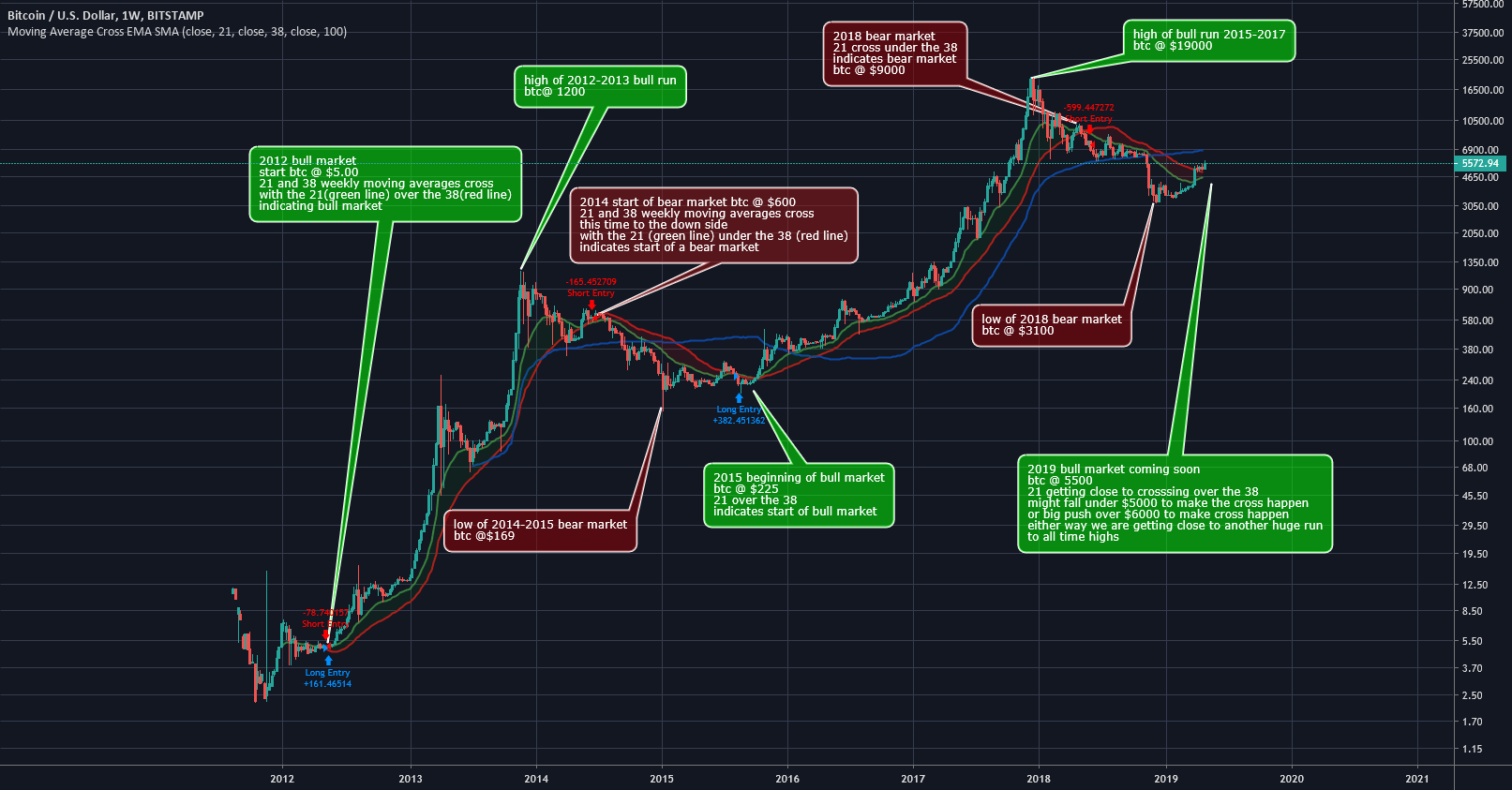 1613×843 btc bull run coming city bitstampbtcusd from www.tradingview.com
  1613×888 btc bull run march binancebtcusdt xavierlopez from www.tradingview.com
 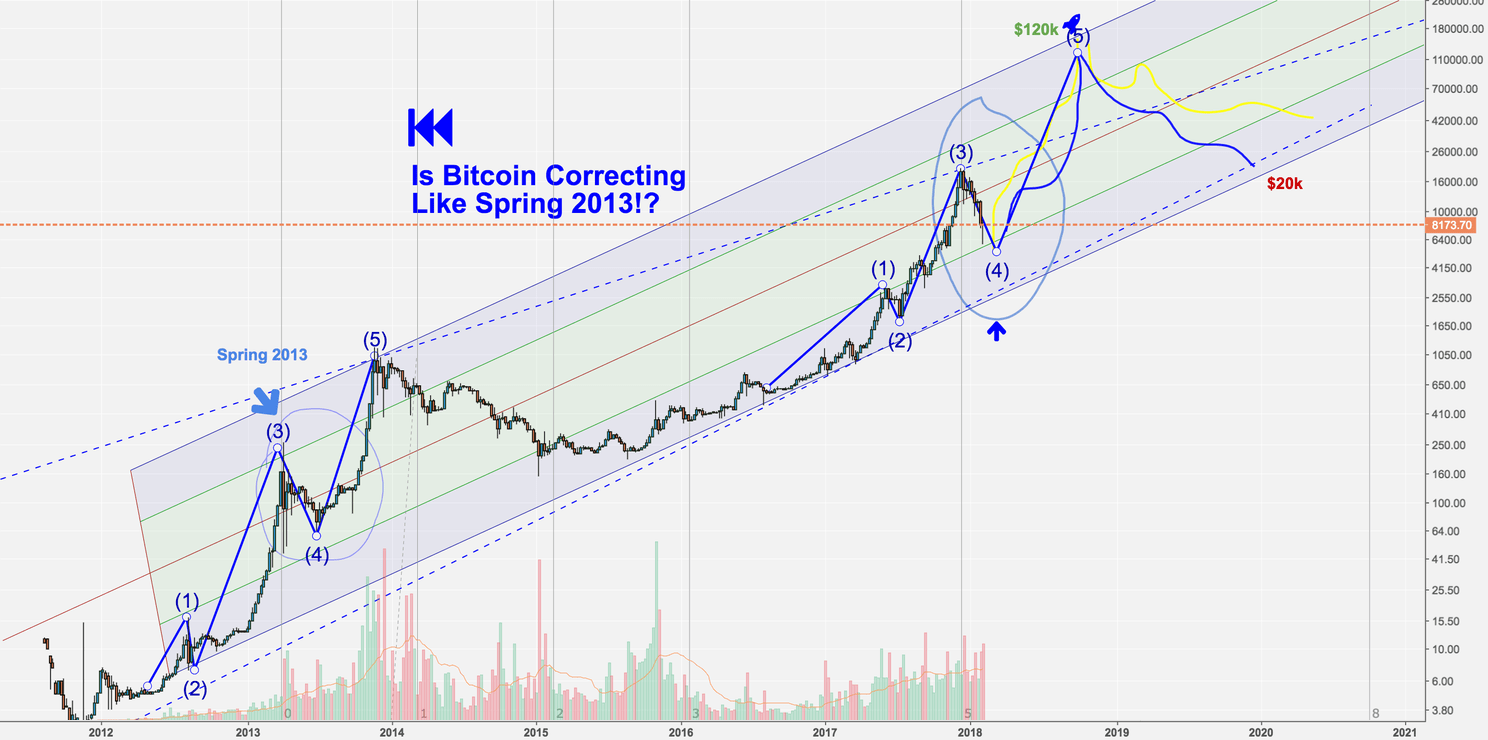 1488×740 epic bull run history age bitcoin update from www.tradingview.com
  2668×1152 btc bull run number days multiple from www.tradingview.com
  1828×881 bitcoins plunge bull run btc from www.bitcoininsider.org
  1200×630 bitcoins present bull run extraordinary compared from blockchain.news