Bitcoin Bull Run Cycles
Understanding Bitcoin Bull Run Cycles
Bitcoin, since its inception, has been characterized by boom and bust cycles, often referred to as “bull runs” and “bear markets.” Understanding these cycles is crucial for anyone looking to invest in or trade Bitcoin. These cycles are driven by a complex interplay of factors, including halving events, technological advancements, regulatory changes, and, most importantly, market sentiment.
The Halving Effect
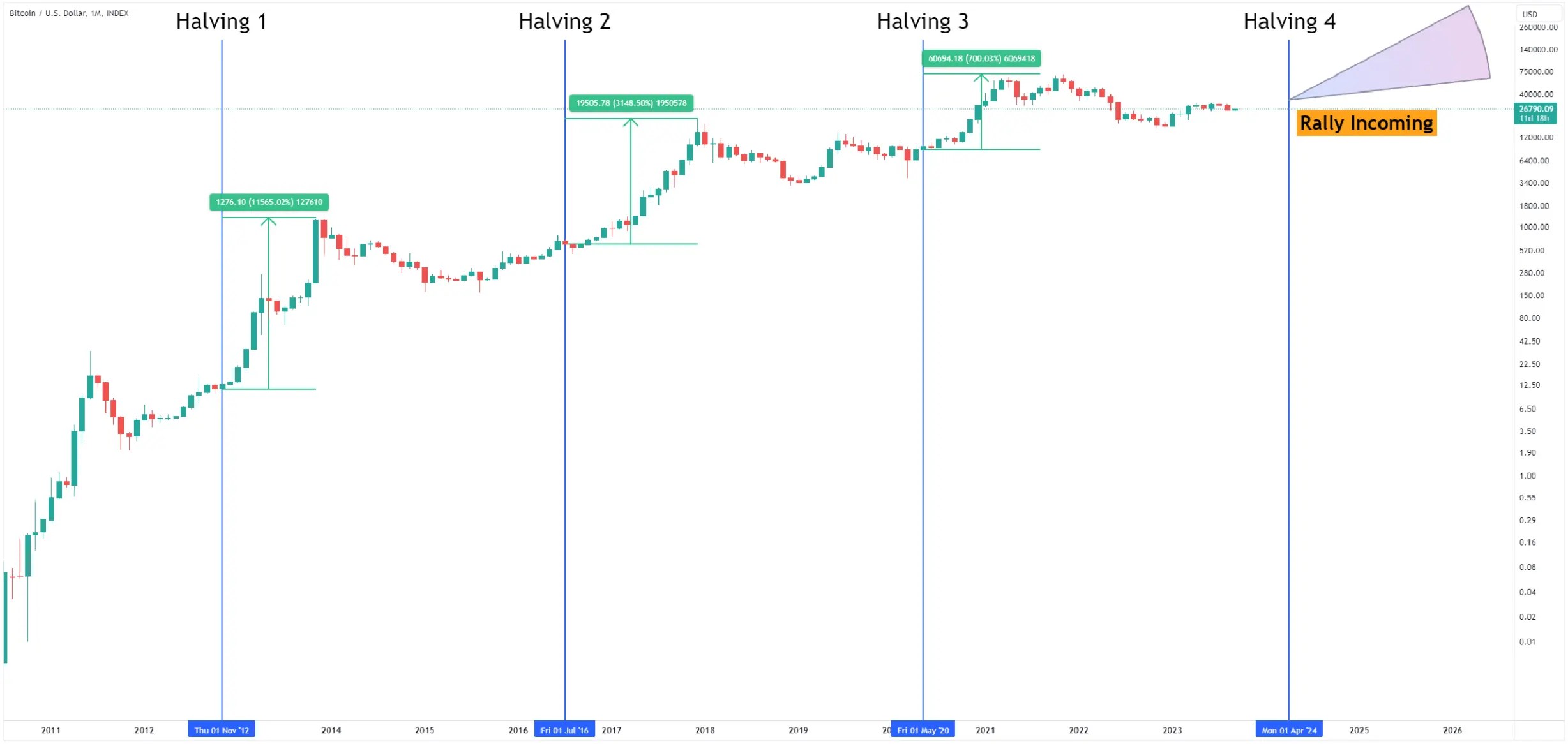
A key catalyst for Bitcoin bull runs is the halving event. Every 210,000 blocks (approximately every four years), the reward for mining new Bitcoin blocks is cut in half. This engineered scarcity reduces the supply of new Bitcoins entering the market, potentially driving up the price if demand remains constant or increases. Historically, halvings have preceded significant price appreciation, though the exact timing and magnitude can vary.
Market Sentiment and Hype
Beyond the purely mathematical impact of halvings, market sentiment plays a significant role. Early adopters, tech enthusiasts, and institutional investors all contribute to the perception of Bitcoin’s value. Positive news, like increased institutional adoption or favorable regulatory announcements, can trigger a frenzy of buying, leading to exponential price growth. This phase is often fueled by FOMO (fear of missing out), attracting retail investors who are drawn in by the prospect of quick profits.
The Inevitable Correction
However, what goes up must come down. Bull runs are inevitably followed by bear markets, or corrections. These corrections can be severe, with Bitcoin’s price often dropping by 50% or more. Several factors contribute to these corrections. Overvaluation, driven by speculation and unsustainable hype, makes the market vulnerable to profit-taking. Large holders (whales) selling their holdings can trigger a cascade of selling, as other investors panic and try to exit the market. Furthermore, negative news, such as regulatory crackdowns or security breaches, can quickly dampen enthusiasm and accelerate the decline.
Accumulation Phase and Rebirth
Following the correction, Bitcoin enters a period of consolidation, sometimes referred to as the accumulation phase. During this time, the price stabilizes, and the market slowly recovers. This phase is characterized by lower trading volumes and a more cautious sentiment. Smart money, often institutional investors or experienced traders, may use this period to accumulate Bitcoin at lower prices in anticipation of the next bull run. Technological advancements, improved infrastructure, and growing adoption during this phase lay the groundwork for the next surge.
Predicting the Future
While past performance is not indicative of future results, understanding the historical patterns of Bitcoin’s bull run cycles can provide valuable insights. Analyzing halving dates, market sentiment indicators, and macroeconomic trends can help investors make more informed decisions. However, it’s crucial to remember that Bitcoin is a volatile asset, and any investment carries significant risk. Careful research, risk management, and a long-term perspective are essential for navigating the Bitcoin market successfully.
 900×536 historical bitcoin cycles hint charging btc bull run from www.reddit.com
  1024×419 bitcoin bullrun cest le moment pour une phase haussiere from www.cointribune.com
  474×340 bitcoin halving bull run cycle from medium.com
  1452×752 bitcoin timing top current bull cycle bncblx from www.tradingview.com
  2048×927 btc bull cycle chart comparison side side major from www.reddit.com
  1577×887 bitcoin started bull cycle bitstampbtcusd excavo from www.tradingview.com
  1306×775 bitcoin bull cycle pattern bncblx from www.tradingview.com
  2186×1137 bitcoin chart current crypto bull run from bearmarket71.blogspot.com
  2662×1700 bull run bitcoin time from www.tradingview.com
  1024×694 understanding bitcoin bull run cycle pintu academy from pintu.co.id
  1200×744 bitcoin bull run cycle chart predicts phase from coinedition.com
  474×331 charts show bitcoin bull run isnt stopping from coingape.com
  512×298 bitcoin days bull cycle from cryptonews.net
  1546×816 bitcoin year cycle bull run bitstampbtcusd from www.tradingview.com
  1388×958 les cycles du bitcoin allnews from www.allnews.ch
  2456×1166 understanding bull cycles cryptocurrency market bulb from www.bulbapp.io
  1280×720 bitcoin btc bull run year cycle from www.youtube.com
  1200×630 bitcoins present bull run extraordinary compared from blockchain.news
  864×460 technical indicators analyze probability bitcoin btc bull run from dailyhodl.com
  1920×1080 bitcoin bull run from blog.bitpanda.com
  1280×720 bitcoin crash btcusd bull run continuation investing cycle bitcoin from www.youtube.com
  2868×1654 bitcoin bull run bear market weekly chart june bitstamp from www.tradingview.com
  2000×984 bitcoin btc parallelen zum bullrun from bitcoin-2go.de
  1472×888 history repeats bitcoin reach bull from www.bitcoininsider.org
  2454×1185 comparing bitcoin bullbear cycle bitcoin halving bitstamp from www.tradingview.com
  1920×1079 bitcoin time high btc price idea reveals bull run launch from www.fxstreet.com
  2048×1152 bitcoin bull run cycle skips day historical pattern from www.bittime.com
  1792×1024 bitcoin average cycle count suggests bull run months from bitcoinist.com
  1980×1170 crypto bull run history rise bitcoin altcoins techopedia from www.techopedia.com
  1234×588 bull run imminent hodl waves chart shows bitcoin hasnt moved from news.bitcoin.com
  1536×816 preparez vous au prochain bull run crypto from www.en-bourse.fr