Bitcoin Forecast
Bitcoin Forecast: Navigating the Volatility
Forecasting Bitcoin’s price is a notoriously challenging endeavor, akin to predicting the weather years in advance. Numerous factors, from macroeconomic trends to regulatory shifts and technological advancements, can significantly influence its value. While precise predictions are impossible, examining current trends and potential future scenarios allows for a more informed understanding of potential trajectories.
One key element impacting Bitcoin’s future is macroeconomic conditions. Rising inflation often leads investors to seek alternative assets, potentially driving up Bitcoin’s price as a hedge against currency devaluation. Conversely, interest rate hikes by central banks can make traditional investments more attractive, potentially dampening demand for Bitcoin.
Regulatory landscapes play a crucial role. Clear and favorable regulations in major economies could legitimize Bitcoin and encourage institutional investment, leading to price appreciation. However, restrictive or outright bans in some jurisdictions could negatively impact its adoption and value. The ongoing debate surrounding Bitcoin ETFs and their approval by regulatory bodies remains a significant factor to watch.
Technological advancements, both within the Bitcoin ecosystem and in competing blockchain technologies, are also vital. Improvements to Bitcoin’s scalability, security, and transaction speed could enhance its utility and drive adoption. The development of layer-2 solutions like the Lightning Network is crucial in this regard. However, the emergence of more efficient or feature-rich cryptocurrencies could pose a competitive threat.
Market sentiment, often driven by social media and news headlines, can also contribute to short-term price fluctuations. Fear of missing out (FOMO) can fuel rapid price surges, while negative news can trigger panic selling. Understanding and managing risk during these periods of high volatility is crucial for any Bitcoin investor.
Several forecasting models are used to analyze Bitcoin’s potential future price. These range from statistical models based on historical price data to more sophisticated approaches that incorporate factors like network activity, transaction volume, and social media sentiment. However, it’s important to remember that no model is foolproof, and historical performance is not necessarily indicative of future results.
Ultimately, the future of Bitcoin is uncertain. Its price will likely remain volatile, influenced by a complex interplay of economic, regulatory, technological, and social factors. A diversified investment strategy and a long-term perspective are essential for navigating the inherent risks associated with this emerging asset class. Staying informed about the latest developments in the cryptocurrency space and consulting with a qualified financial advisor are crucial steps for anyone considering investing in Bitcoin.
 1834×878 bitcoin price prediction from www.cryptonewsz.com
  1442×860 bitcoin forecast price range constricts btc awaits breakout from www.dailyfx.com
  1600×886 demystifying bitcoins remarkably accurate price prediction model from www.forbes.com
  474×372 bitcoin price forecast btcusd primed breakout from www.dailyfx.com
  3445×1908 bitcoin price prediction btc chain metrics eye from www.forexcrunch.com
  1600×1157 bitcoin price forecast trend graph stock image image bitcoin from www.dreamstime.com
  1056×765 bitcoin elliott wave forecasts dominant bearish trends from www.dailyfx.com
  1494×670 bitcoin month forecast updated bitstampbtcusd filbfilb from www.tradingview.com
  1426×621 bitcoin forecast europa mooon bitfinex from www.tradingview.com
 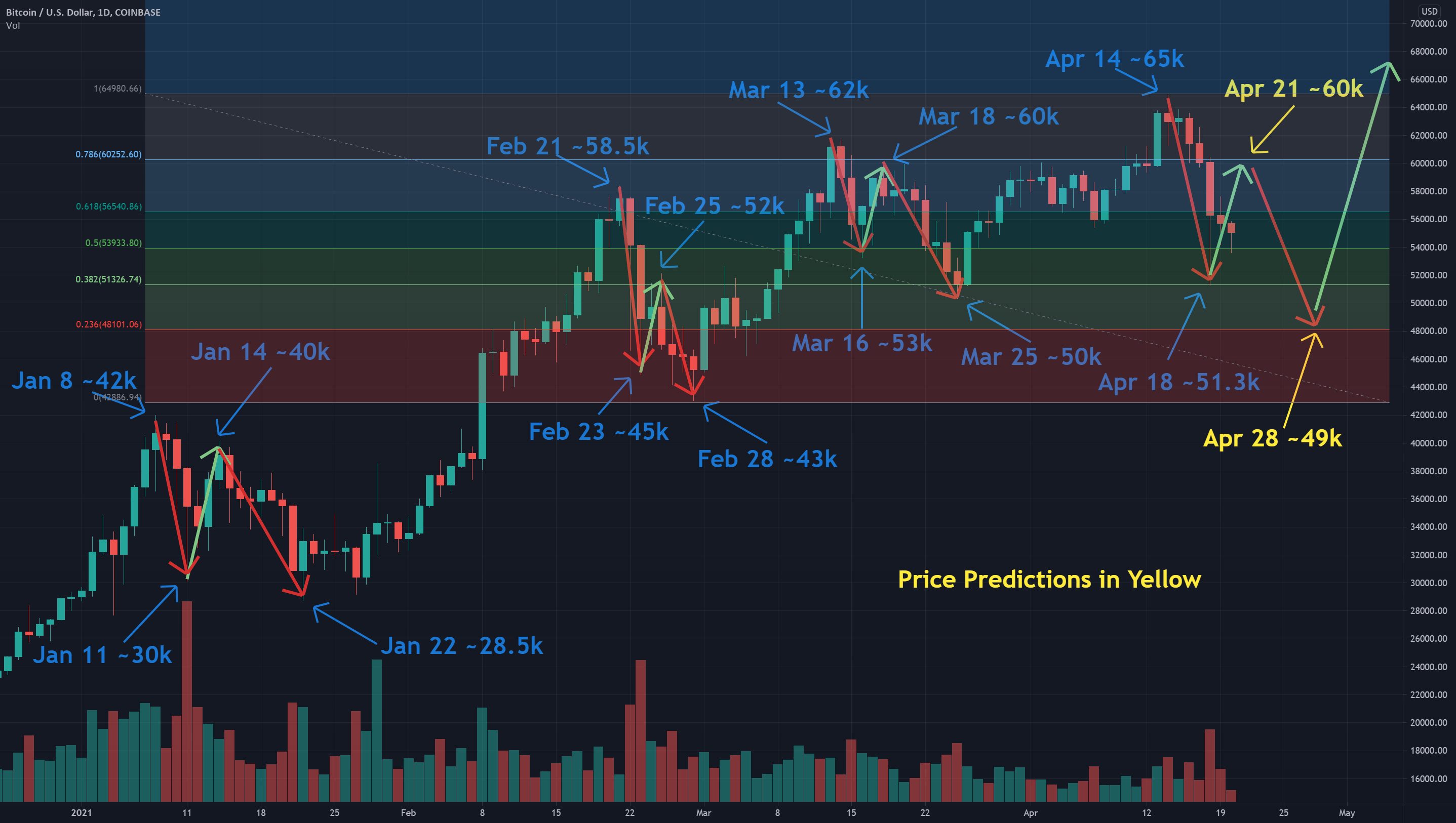 2875×1626 bitcoin price prediction april coinbasebtcusd from www.tradingview.com
  1828×868 bitcoin btc price weekly forecast decline from www.newsbtc.com
  1760×819 bitcoin forecast btcusd holds attracts investors from www.dailyfx.com
  2696×1514 bitcoin price forecast btc reaching horizons aiming from www.fxstreet.com
  1920×953 bitcoin forecast btcusd price sideways trade continues from www.dailyfx.com
  500×354 bitcoin price prediction chart shows parabolic gains from moneymorning.com
  808×463 bitcoin forecast analysis btcusd forexpro from forex24.pro
  1920×950 bitcoin forecast btcusd price faces key resistance level from www.dailyfx.com
  883×745 bitcoin cash price forecast predictions from insidetrade.co
  1600×1156 bitcoin price forecast longterm prediction graph stock image from www.dreamstime.com