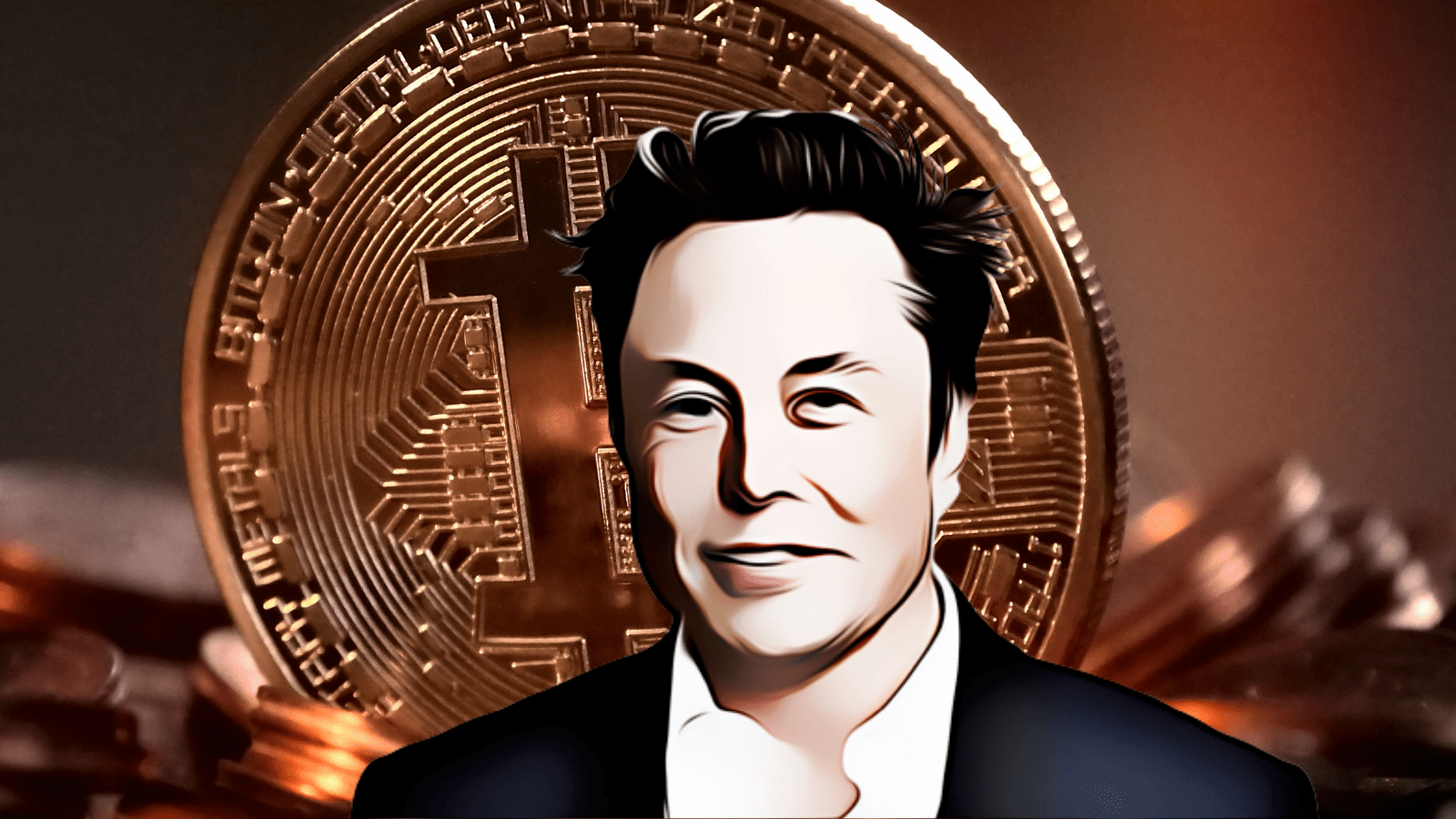
The most recent Bitcoin bull run, stretching roughly from late 2020 to late 2021, was a truly remarkable period in the cryptocurrency’s history, characterized by unprecedented institutional adoption, widespread mainstream awareness, and ultimately, a volatile price surge and subsequent correction. Unlike previous rallies driven primarily by retail investors, this bull run saw significant involvement from corporations, hedge funds, and even nation-states, adding a layer of legitimacy and maturity to the asset class.
Author: enchone
-
Crypto Bull Run October 2024
The crypto market is buzzing with anticipation for a potential bull run in October 2024, fueled by a confluence of factors that could reignite investor enthusiasm and drive prices upwards. While nothing is guaranteed in the volatile world of cryptocurrencies, several key catalysts are contributing to the optimism.
-
Bitcoin Bull Run Pullbacks
Bitcoin bull runs are characterized by significant and sustained price increases, often driven by factors like increased adoption, institutional investment, and favorable regulatory developments. However, these upward trajectories are rarely linear. Pullbacks, or temporary price reversals, are a common and arguably necessary part of any Bitcoin bull run.
-
Crypto Bull Run Start
Crypto Bull Run: On the Horizon? Is the Crypto Bull Run About to Begin?
Whispers of a new crypto bull run are growing louder, fueled by a confluence of factors hinting at a potential market surge. After a prolonged period of volatility and downturn, many investors are cautiously optimistic that the tide is turning.
-
Bitcoin Live Chart
Bitcoin Live Chart: A Real-Time View into the World’s Leading Cryptocurrency
The Bitcoin live chart is an indispensable tool for anyone interested in monitoring the dynamic price movements of Bitcoin. It provides a visual representation of Bitcoin’s price over a specified period, allowing users to track trends, identify patterns, and make informed decisions about buying, selling, or holding their Bitcoin. These charts are readily available on numerous cryptocurrency exchanges, financial news websites, and dedicated crypto charting platforms.
-
Bitcoin Bull Cycle History
Bitcoin Bull Cycles: A Historical Overview
Bitcoin’s history is characterized by distinct bull and bear cycles, driven by a complex interplay of factors like halving events, technological advancements, regulatory shifts, and overall market sentiment. Understanding these past cycles can offer valuable insights into potential future trends, although it’s crucial to remember that history doesn’t guarantee future performance.
-
Bitcoin Elon Musk
Elon Musk’s relationship with Bitcoin has been a rollercoaster, marked by enthusiastic endorsements, significant investments, and equally dramatic reversals. His pronouncements on social media have demonstrably moved Bitcoin’s price, highlighting his considerable influence in the cryptocurrency market. Musk’s initial embrace of Bitcoin stemmed from his stated belief in decentralized systems and his desire to explore alternative financial technologies. Tesla, the electric vehicle company he leads, announced in early 2021 a $1.5 billion investment in Bitcoin. This sparked a significant rally in Bitcoin’s price, lending further legitimacy to the cryptocurrency. Tesla also briefly began accepting Bitcoin as payment for its vehicles, further solidifying Musk’s apparent support. However, this acceptance was short-lived. Just months later, Musk announced that Tesla would suspend Bitcoin payments, citing environmental concerns related to the energy consumption of Bitcoin mining. This decision triggered a sharp downturn in Bitcoin’s value, raising questions about the sincerity and long-term commitment of his support. Musk argued that Bitcoin mining, which relies heavily on energy-intensive proof-of-work systems, utilized a significant amount of fossil fuels, particularly coal, contradicting Tesla’s mission of sustainable energy. Musk subsequently indicated that Tesla might resume accepting Bitcoin once a significant portion of mining operations transitioned to renewable energy sources. He also explored other cryptocurrencies, particularly Dogecoin, a cryptocurrency initially created as a joke. Musk became a prominent advocate for Dogecoin, frequently tweeting about it and suggesting it as a more efficient and environmentally friendly alternative to Bitcoin for transactions. His actions sparked debate within the cryptocurrency community. Some accused him of market manipulation, using his influence to profit from price swings. Others defended him, arguing that he was simply using his platform to raise awareness about the environmental impact of Bitcoin mining and advocating for more sustainable practices. Musk’s statements on Bitcoin continue to be closely monitored by investors. His influence remains undeniable, and his pronouncements can still trigger significant price volatility. However, his credibility within the Bitcoin community has been damaged by the perceived flip-flopping and the promotion of Dogecoin. Despite the controversy, Musk’s engagement with Bitcoin has undeniably raised its profile and accelerated its adoption. He has brought Bitcoin to the attention of a wider audience, forcing conversations about its environmental impact and prompting discussions about the future of cryptocurrency. Whether his long-term stance will be one of support, skepticism, or outright abandonment remains to be seen, but his role in Bitcoin’s evolution is already significant. The saga underscores the complexities of celebrity endorsements in the cryptocurrency space, highlighting the potential for both positive and negative impacts on market stability and public perception.
1536×864 el efecto musk el empresario impulsa el valor del bitcoin from www.gizlogic.com
1900×900 elon musk bitcoin future cryptocurrency from www.boldbusiness.com
1600×900 elon musks bitcoin turn means future crypto stuff from stuff.co.za
1280×720 elon musk bitcoin miners discuss issue btc sustainability from www.moonstats.com
1000×500 elon musk volta falar sobre bitcoin moeda tem forte alta from www.dicasbrasil.com.br
2327×1163 bitcoin gains elon musk tesla accepts from www.businessinsider.in
1068×557 elon musk influencing bitcoin crypto markets from talepost.com
768×520 bitcoin verge widely accepted elon musk from starvisionnews.com
1280×720 elon musk bitcoin youtube from www.youtube.com
840×499 elon musk bitcoin verge widely accepted from www.ciobulletin.com
1280×720 inversion de elon musk en bitcoin el ceo revela sus cartas word from www.cafeconcriptos.com
590×350 bitcoin news elon musk bitcoin city from www.express.co.uk
-
Bitcoin Bull Run History Chart
Bitcoin Bull Run History Bitcoin Bull Run History: A Visual Journey Through Price Surges
Bitcoin’s price history is characterized by dramatic cycles of bull runs and bear markets. Understanding these past surges provides valuable context for navigating the volatile cryptocurrency landscape. Analyzing the historical charts reveals patterns and potential drivers behind these explosive growth periods.
-
Bitcoin January 2025
Bitcoin in January 2025: A Glimpse into the Future
The dawn of January 2025 finds Bitcoin at a fascinating crossroads. Having navigated the tumultuous landscape of the preceding years, the cryptocurrency’s position is a subject of intense debate and speculation. Predicting the precise price is a fool’s errand, but exploring the key factors shaping its potential future provides valuable insight. One major determinant is regulatory clarity. By 2025, many expect significant progress in global regulations surrounding digital assets. Clear frameworks, particularly in major economies like the US, EU, and China (potentially with a revised approach), could legitimize Bitcoin further, attracting institutional investment and broader adoption. Conversely, hostile or inconsistent regulations could stifle growth and push innovation underground. The state of traditional finance will also play a crucial role. If inflationary pressures persist or geopolitical instability continues, Bitcoin’s narrative as a store of value and a hedge against traditional financial systems could be strengthened. A flight to safety could drive significant capital into the asset. However, a stable economic environment and a strong performance of traditional markets might diminish Bitcoin’s appeal as an alternative. Technological advancements within the Bitcoin ecosystem itself will be vital. Developments in Layer-2 scaling solutions like the Lightning Network are critical for addressing Bitcoin’s transaction speed and cost limitations. Widespread adoption of these technologies would make Bitcoin more practical for everyday transactions, broadening its utility beyond simply a store of value. Further enhancements in privacy features could also attract users concerned about financial surveillance. Institutional adoption remains a significant driver. The presence of Bitcoin ETFs in several major markets would likely be solidified by 2025, providing easier access for traditional investors. Continued adoption by corporations, integrating Bitcoin into their treasury management strategies or offering Bitcoin-related services, would further validate its legitimacy. Competing cryptocurrencies and blockchain technologies cannot be ignored. While Bitcoin maintains its dominance, the emergence of more efficient or feature-rich alternatives could pose a challenge. The success of other cryptocurrencies in specific niches, like decentralized finance (DeFi) or NFTs, could draw attention and capital away from Bitcoin. Energy consumption and environmental concerns surrounding Bitcoin mining are also crucial considerations. Increased adoption of renewable energy sources within the mining industry, or the development of more energy-efficient consensus mechanisms, would be essential to mitigate criticisms and ensure long-term sustainability. Negative public perception regarding environmental impact could hinder Bitcoin’s progress. Ultimately, Bitcoin’s trajectory in January 2025 will depend on the interplay of these factors. A combination of favorable regulations, continued institutional adoption, technological advancements, and a perception as a safe haven asset could propel Bitcoin to new heights. Conversely, regulatory hurdles, technological stagnation, and environmental concerns could impede its growth. Regardless of the price, Bitcoin’s underlying principles of decentralization and censorship resistance will continue to make it a significant force in the evolving financial landscape. The year 2025 promises to be a pivotal year in understanding Bitcoin’s enduring role in the world.
855×375 bitcoin btc worth trading education from trading-education.com
-
Crypto Bull Run April
April in the cryptocurrency market is often associated with significant price appreciation, fueled by a confluence of factors that historically contribute to a bullish sentiment. While past performance isn’t indicative of future results, understanding these potential catalysts provides valuable context.