Bitcoin Fee
“`html
Understanding Bitcoin Transaction Fees
Bitcoin transaction fees are an integral part of the network’s operation, acting as both an incentive for miners and a mechanism for prioritizing transactions. Unlike traditional financial systems where fees are often fixed and controlled by a central authority, Bitcoin transaction fees are dynamic and determined by market forces.
The primary purpose of transaction fees is to compensate miners for their work. Miners validate transactions and add them to the blockchain through a computationally intensive process called mining. They are rewarded with newly minted Bitcoin and transaction fees included in the blocks they mine. Without these incentives, miners would have no reason to dedicate their resources to securing the network.
Another crucial function of fees is to prioritize transactions. When you send Bitcoin, you attach a fee to your transaction. Miners tend to prioritize transactions with higher fees because they receive more profit for including them in a block. During periods of high network congestion, the demand for block space increases, leading to higher fees. This creates a bidding process, where users essentially compete to have their transactions processed faster. Conversely, during periods of low network activity, fees tend to be lower as there is less competition for block space.
Several factors influence the size of Bitcoin transaction fees. The most important is the size of the transaction in bytes. More complex transactions, such as those involving multiple inputs or outputs, require more data to be stored in a block and therefore incur higher fees. The overall network congestion also plays a significant role. When the mempool (the pool of pending transactions waiting to be confirmed) is full, fees rise as users try to outbid each other. Market sentiment and price volatility can also indirectly influence fees. Sudden price spikes often lead to increased trading activity, which in turn increases network congestion and pushes fees higher.
Estimating appropriate transaction fees can be tricky. Many Bitcoin wallets offer automatic fee estimation based on current network conditions. These estimators typically provide a range of fee options, allowing users to choose between faster confirmation times with higher fees or slower confirmation times with lower fees. Online fee estimators and block explorers can also provide insights into the current average fee rates. It’s important to note that fee estimators are not always perfect, and unexpected surges in network activity can sometimes lead to longer confirmation times than anticipated.
There are different fee strategies users can employ. If speed is critical, opting for a higher fee is generally recommended. However, if time is not a constraint, a lower fee can be used, though the transaction may take significantly longer to confirm. Some users employ strategies like “replace-by-fee” (RBF), which allows them to increase the fee on an unconfirmed transaction to accelerate its confirmation if it’s taking too long. SegWit (Segregated Witness) addresses can also help reduce transaction sizes and fees.
In conclusion, Bitcoin transaction fees are a dynamic and necessary component of the network. They incentivize miners, prioritize transactions, and adapt to network congestion. Understanding the factors that influence fees and utilizing fee estimation tools can help users optimize their transactions and avoid unexpected delays or high costs.
“`
 474×160 bitcoin transaction fees work from cryptocurrencyfacts.com
  1154×663 bitcoin transaction fees beginners guide from themoneymongers.com
  850×324 bitcoin fee estimator calculator updated from privacypros.io
  1600×972 chart day bitcoin transaction fee hits lowest year from ihodl.com
  752×452 transaction fee bitcoin calculate bitcoin from gudangilmupintar181.blogspot.com
  1078×496 complete guide bitcoin fees transactions from 99bitcoins.com
 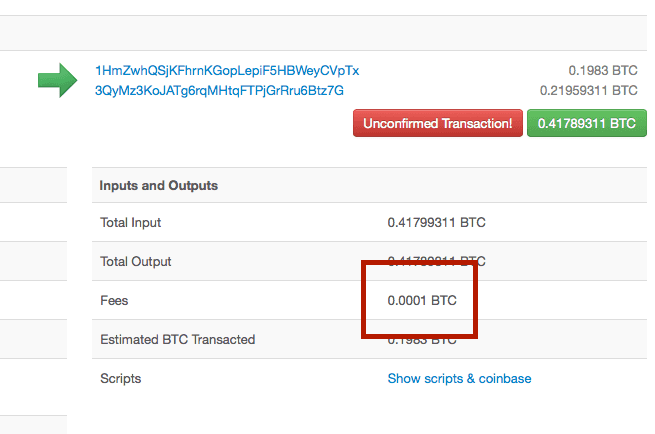 655×434 bitcoin mining fees work from www.bitcoinmining.com
  1280×720 bitcoin btc from dimitrology.com
 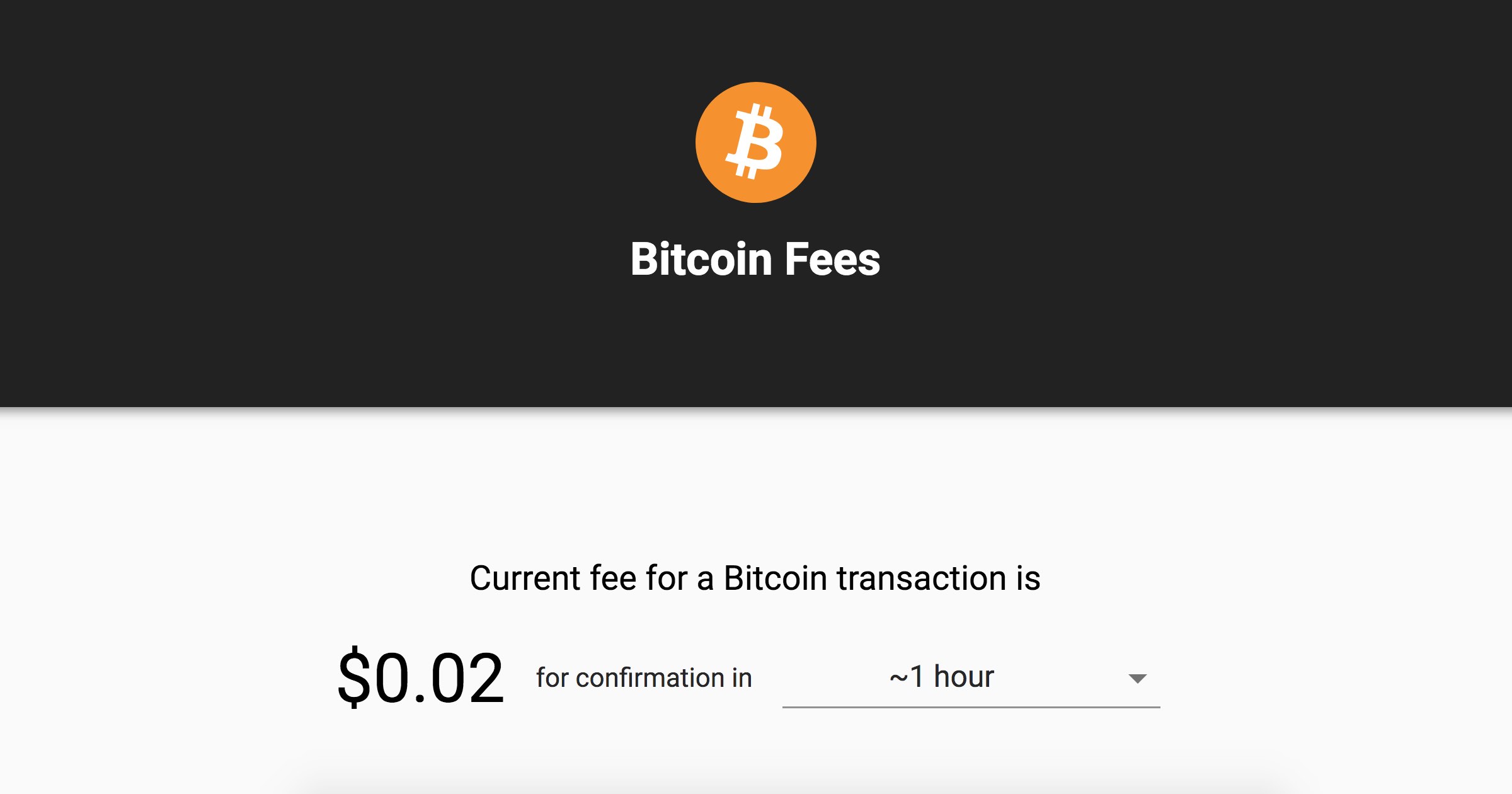 2400×1260 bitcoin fees from bitcoinfees.gitlab.io