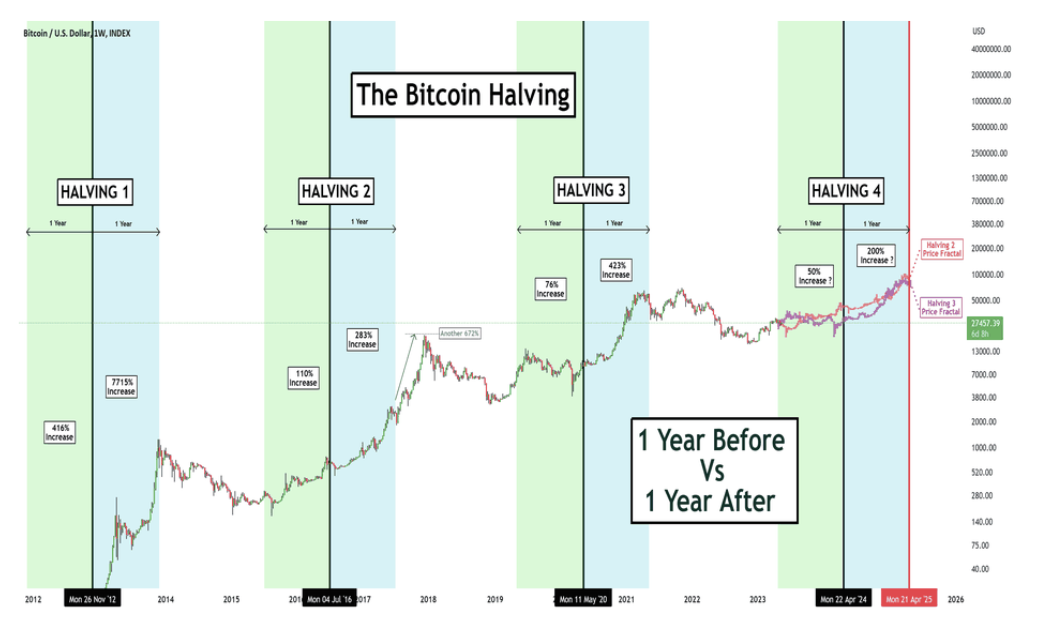
Bitcoin Halving Dates
Bitcoin halvings are pre-programmed events designed to reduce the rate at which new bitcoins are created. This mechanism, hardcoded into Bitcoin’s original protocol by Satoshi Nakamoto, occurs approximately every four years (or every 210,000 blocks mined) and serves to control Bitcoin’s supply, ultimately capping it at 21 million coins.
Understanding the timing of these halvings is crucial for anyone involved in the Bitcoin ecosystem, from miners and investors to casual observers. Predicting the exact date is difficult due to variations in block creation times, but historical data provides a reasonable estimate.
The First Halving: November 28, 2012
The inaugural Bitcoin halving took place on November 28, 2012. Prior to this date, miners received 50 bitcoins for every block they successfully mined. After the halving, the block reward was reduced to 25 bitcoins. This event marked the first instance of Bitcoin’s supply scarcity being enforced algorithmically. The price of Bitcoin experienced significant growth in the year following this first halving, though attributing this solely to the halving is difficult, as other factors were also at play.
The Second Halving: July 9, 2016
The second Bitcoin halving occurred on July 9, 2016. The block reward was once again halved, this time from 25 bitcoins to 12.5 bitcoins per block. Similar to the first halving, the event was widely anticipated within the cryptocurrency community. Many believe that this halving contributed to a significant bull run in the following years, although, again, external factors such as increased adoption and media attention also played a significant role.
The Third Halving: May 11, 2020
The most recent halving happened on May 11, 2020. As a result, the block reward was reduced from 12.5 bitcoins to 6.25 bitcoins per block. This event occurred during a period of increased mainstream awareness and institutional interest in Bitcoin. The halving, coupled with the COVID-19 pandemic and the subsequent economic stimulus measures, led to substantial price appreciation in the months and years that followed. The narrative of Bitcoin as a “store of value” gained traction, attracting a wider range of investors.
The Next Halving: Expected in 2024
Based on current block times, the next Bitcoin halving is projected to occur in the first half of 2024, likely in April or May. This will further reduce the block reward to 3.125 bitcoins. As with previous halvings, there is much speculation about its potential impact on Bitcoin’s price and the broader cryptocurrency market. While past halvings have been followed by price increases, this is not guaranteed, and various macroeconomic and market-specific factors will influence Bitcoin’s performance.
In conclusion, Bitcoin halvings are a fundamental aspect of its design, influencing its supply and scarcity. While the impact of these events on Bitcoin’s price is debated, they remain a significant event in the cryptocurrency calendar, drawing attention to Bitcoin’s unique economic model and long-term potential.
 474×251 bitcoin halving btc mining block reward chart history master from masterthecrypto.com
 1500×1136 chart day bitcoin reward halving price history from ihodl.com
 1212×606 bitcoin halving btc halving swissquote from en.swissquote.com
 1070×773 bitcoin halving history bitcoin halving months from medium.com