Bitcoin Hashrate
Bitcoin’s hashrate is a critical metric that reflects the computational power being used to secure the network. It’s essentially a measure of how many calculations miners are performing per second to solve the complex cryptographic puzzles required to add new blocks to the blockchain. A higher hashrate generally indicates a more secure and robust network, as it becomes increasingly difficult for malicious actors to successfully attack or manipulate the system.
The term “hashrate” is expressed as hashes per second (H/s). Due to the immense scale of the Bitcoin network, we often see values in terahashes per second (TH/s), petahashes per second (PH/s), exahashes per second (EH/s), and even zettahashes per second (ZH/s). One exahash is a quintillion (10^18) hashes.
Bitcoin mining operates on a Proof-of-Work (PoW) consensus mechanism. Miners compete to find a valid hash that meets a specific target set by the network’s difficulty. This difficulty is automatically adjusted roughly every two weeks (every 2016 blocks) to maintain an average block creation time of approximately 10 minutes. If the hashrate increases, the difficulty adjusts upwards to keep the block time consistent. Conversely, if the hashrate decreases, the difficulty adjusts downwards.
A rising hashrate has several implications. First, it enhances the network’s security. To execute a 51% attack (controlling more than half of the network’s computing power to manipulate transactions), an attacker would need to command a significant portion of the total hashrate, making such an attack incredibly expensive and resource-intensive. Second, it indicates increasing interest and investment in Bitcoin mining. Higher profitability, technological advancements in mining hardware (like more efficient ASICs), and optimism about Bitcoin’s future can all contribute to a rising hashrate.
However, a declining hashrate can raise concerns. It might suggest a decrease in miner profitability due to factors like lower Bitcoin prices or increased electricity costs. It could also reflect older, less efficient mining hardware being taken offline. While a decrease in hashrate doesn’t necessarily mean the network is immediately vulnerable, it does reduce the cost and effort required for a potential attack, making it something to monitor.
It’s important to remember that hashrate is an estimate, not an exact measurement. It’s calculated by observing the average block creation time. If blocks are being found faster than the target 10 minutes, it’s inferred that the hashrate is higher than previously estimated, and vice versa.
Analyzing Bitcoin’s hashrate trends provides valuable insights into the health, security, and economic landscape of the network. It’s a key indicator for understanding the dynamics of the Bitcoin ecosystem and its potential future trajectory.
 1307×730 bitcoin hash rate hits time high works affects from cryptopotato.com
  1500×1052 chart day bitcoin hashrate breaks record infographics from ihodl.com
  960×540 bitcoin mining calculator hashrate profits from buybitcoinworldwide.com
 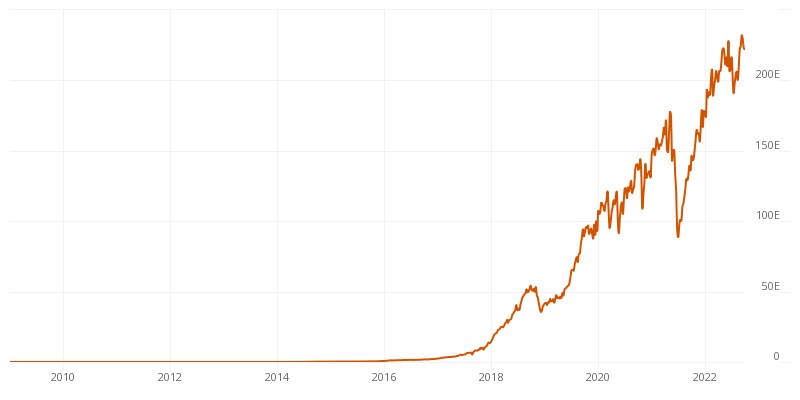 800×400 bitcoin mining hash rate chart bitcoin visuals from bitcoinvisuals.com
  788×379 bitcoin hashrate definitive guide optimal hedging strategies from www.blueskycapitalmanagement.com
  1920×1200 bitcoin hashrate hits record ths price trades sideways from bitcoinist.com
  1500×682 major bitcoin miners tokenize hashrate btcst modern from modernconsensus.com
  2560×1703 bitcoin mining hashrate triples months difficulty rise from bitcoinist.com
  1140×815 bitcoin hashrate stabilizes miners return network cryptopolitan from www.cryptopolitan.com