How Does Crypto Tokens Work
Cryptographic tokens, commonly referred to as crypto tokens, are digital assets representing a specific value or utility that reside on a blockchain network. Unlike cryptocurrencies like Bitcoin, which are designed to function as a medium of exchange and operate on their own dedicated blockchain, crypto tokens are built on existing blockchains, most notably Ethereum.
The functionality of crypto tokens is defined by smart contracts, self-executing agreements written in code and deployed onto the blockchain. These contracts dictate the rules governing the token’s behavior, including how it is created (minted), transferred, and used. Think of a smart contract as a digital vending machine: you input specific conditions (e.g., paying a certain amount), and it automatically dispenses the defined output (e.g., a token).
There are various types of crypto tokens, each with a unique purpose. Utility tokens grant access to a specific product or service within a platform. For example, a token might be required to use features on a decentralized application (dApp). Security tokens, on the other hand, represent ownership in an asset, like equity in a company. These tokens are often subject to securities regulations. Governance tokens give holders the right to vote on proposed changes or developments within a blockchain project, allowing for decentralized decision-making. Non-fungible tokens (NFTs) represent unique digital assets, such as artwork, collectibles, or in-game items. Each NFT is distinct and cannot be directly exchanged for another like-for-like.
The creation process of a crypto token typically involves using a token standard. Ethereum popularized the ERC-20 standard, which defines a common set of functions and rules that all ERC-20 tokens must adhere to. This standardization simplifies the interaction between different tokens and decentralized applications on the Ethereum network. When a developer creates an ERC-20 token, they implement the functions specified in the standard, such as `totalSupply` (total number of tokens), `balanceOf` (token balance for a given address), and `transfer` (function to send tokens to another address). Other standards like ERC-721 for NFTs exist as well.
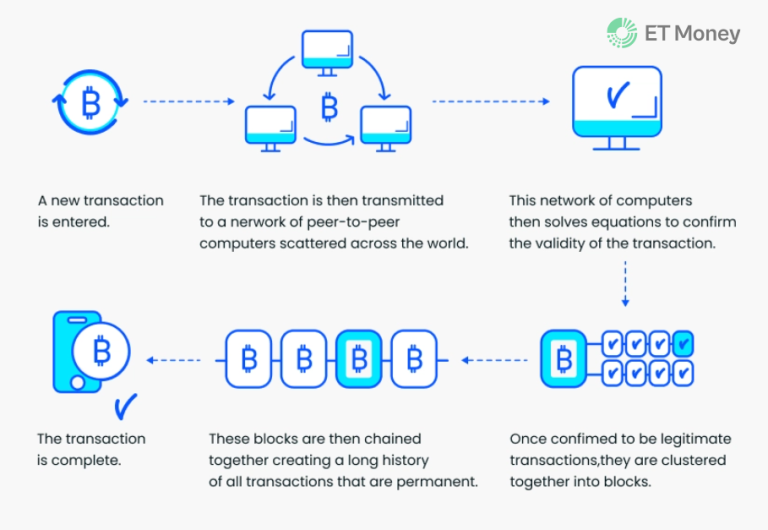
Transactions involving crypto tokens are recorded on the blockchain, ensuring transparency and immutability. When a user wants to transfer tokens, they initiate a transaction through a wallet. The transaction is then broadcast to the network, validated by miners or validators (depending on the blockchain’s consensus mechanism), and added to a block. Once the block is confirmed, the transaction becomes a permanent and unalterable part of the blockchain’s history, effectively updating the token balances of the sender and receiver.
The value of a crypto token is determined by market forces of supply and demand. Factors like the token’s utility, the success of the project it’s associated with, overall market sentiment, and speculation all contribute to its price. Because they reside on blockchains, crypto tokens can be easily traded on decentralized exchanges (DEXs) and centralized exchanges (CEXs), allowing for global and permissionless participation in the digital economy.