Bitcoin, the pioneering cryptocurrency, has experienced a significant downturn in recent times. This decline, often referred to as a “bear market” or “crypto winter,” has impacted both its price and the broader sentiment surrounding digital assets.
Several factors contribute to Bitcoin’s downward trajectory. Macroeconomic conditions play a crucial role. Rising interest rates, implemented by central banks to combat inflation, make riskier assets like Bitcoin less appealing to investors. As interest rates rise, traditional investments such as bonds offer more attractive returns, drawing capital away from the volatile cryptocurrency market.
Regulatory uncertainty also casts a shadow over Bitcoin. Governments worldwide are grappling with how to regulate cryptocurrencies, and the lack of clear guidelines creates anxiety among investors. Potential restrictions on Bitcoin trading or usage can significantly impact its perceived value and adoption.
Market sentiment and investor psychology are powerful forces in the cryptocurrency market. Fear, uncertainty, and doubt (FUD) can trigger sell-offs, further exacerbating price declines. Negative news, such as exchange hacks, regulatory crackdowns, or prominent figures expressing skepticism, can fuel panic selling and contribute to the downward spiral.
The bursting of speculative bubbles also contributes to Bitcoin’s decline. During periods of rapid price appreciation, driven by hype and speculation, Bitcoin’s price can become detached from its underlying fundamentals. When the bubble bursts, prices correct sharply, leading to significant losses for those who bought in at inflated valuations.
Furthermore, the correlation between Bitcoin and traditional financial markets has increased. Bitcoin, once touted as a hedge against economic uncertainty, now often mirrors the performance of stocks, particularly technology stocks. This correlation diminishes its appeal as a safe-haven asset during times of economic turmoil.
The collapse of prominent cryptocurrency projects and companies has also shaken investor confidence. The failure of entities like FTX, a major cryptocurrency exchange, revealed vulnerabilities within the industry and raised concerns about risk management and regulatory oversight.
Despite the current downturn, it is important to note that Bitcoin has weathered similar periods of volatility in the past. Its long-term future remains uncertain, but its underlying technology, blockchain, continues to evolve and find new applications. Whether Bitcoin will rebound and regain its previous highs remains to be seen, but its resilience and ability to adapt to changing market conditions will be key to its survival and potential future success.
 1024×768 history bitcoin price collapses years from www.ccn.com
  750×445 bitcoin price news bitcoin today btc crashes from www.express.co.uk
  954×572 bitcoin bitcoin drain magazine from 07glassfa.blogspot.com
  1280×828 bitcoin price analysis btc weekly reaching crucial support from cryptopotato.com
  0 x 0 bitcoin heres youtube from www.youtube.com
  1000×667 bitcoin btc price dropping cryptocoin spy from cryptocoinspy.com
 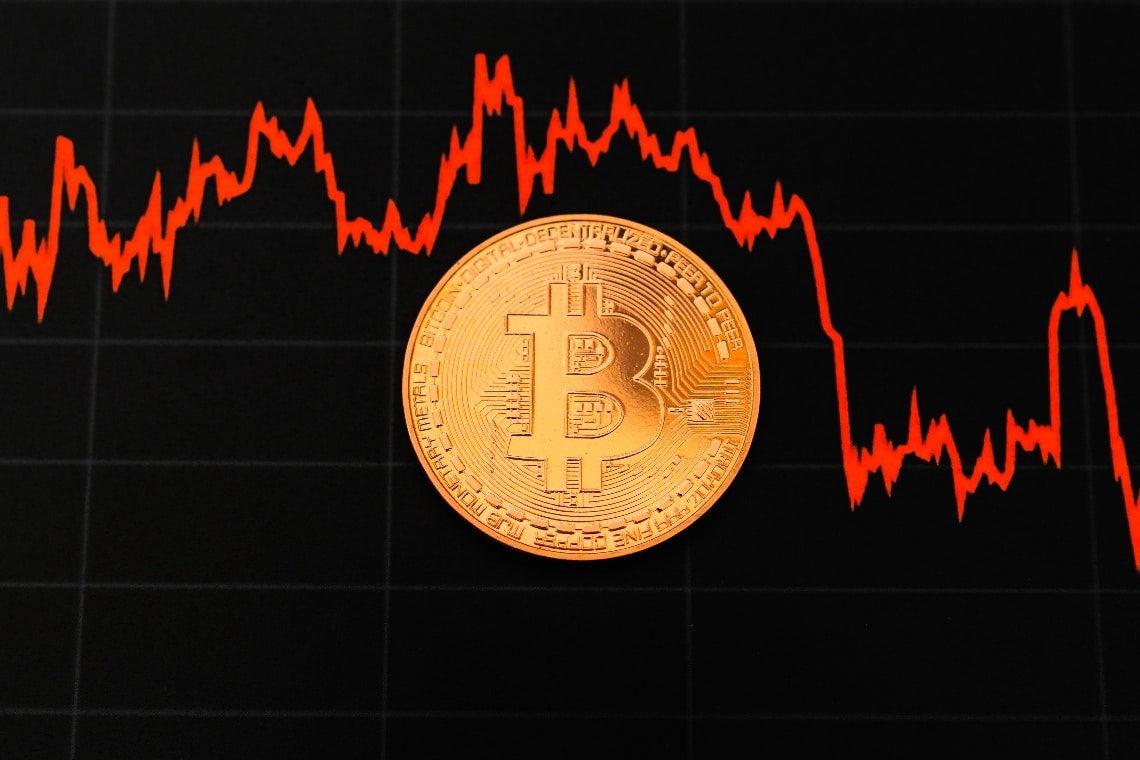 1140×760 bitcoin decline due profit cryptonomist from en.cryptonomist.ch
  1600×1084 bitcoin price falling businessman holding bitcoin red from www.dreamstime.com
  4000×2667 bitcoin btc price plunges hits lowest level january from www.cnbc.com
  1000×667 bitcoin susto cambio de tendencia cripto tendencia from criptotendencia.com
  1600×923 bitcoin dominance altcoin cycles cryptonomist from en.cryptonomist.ch