Bitcoin Pdf
The Bitcoin Whitepaper: A Revolutionary Document
The foundation of Bitcoin, the world’s first and most prominent cryptocurrency, rests on a single, concise document: the Bitcoin whitepaper. Officially titled “Bitcoin: A Peer-to-Peer Electronic Cash System,” it was published in 2008 by the pseudonymous Satoshi Nakamoto. This nine-page PDF outlines the technical and economic principles underpinning Bitcoin, offering a vision of a decentralized, trustless digital currency.
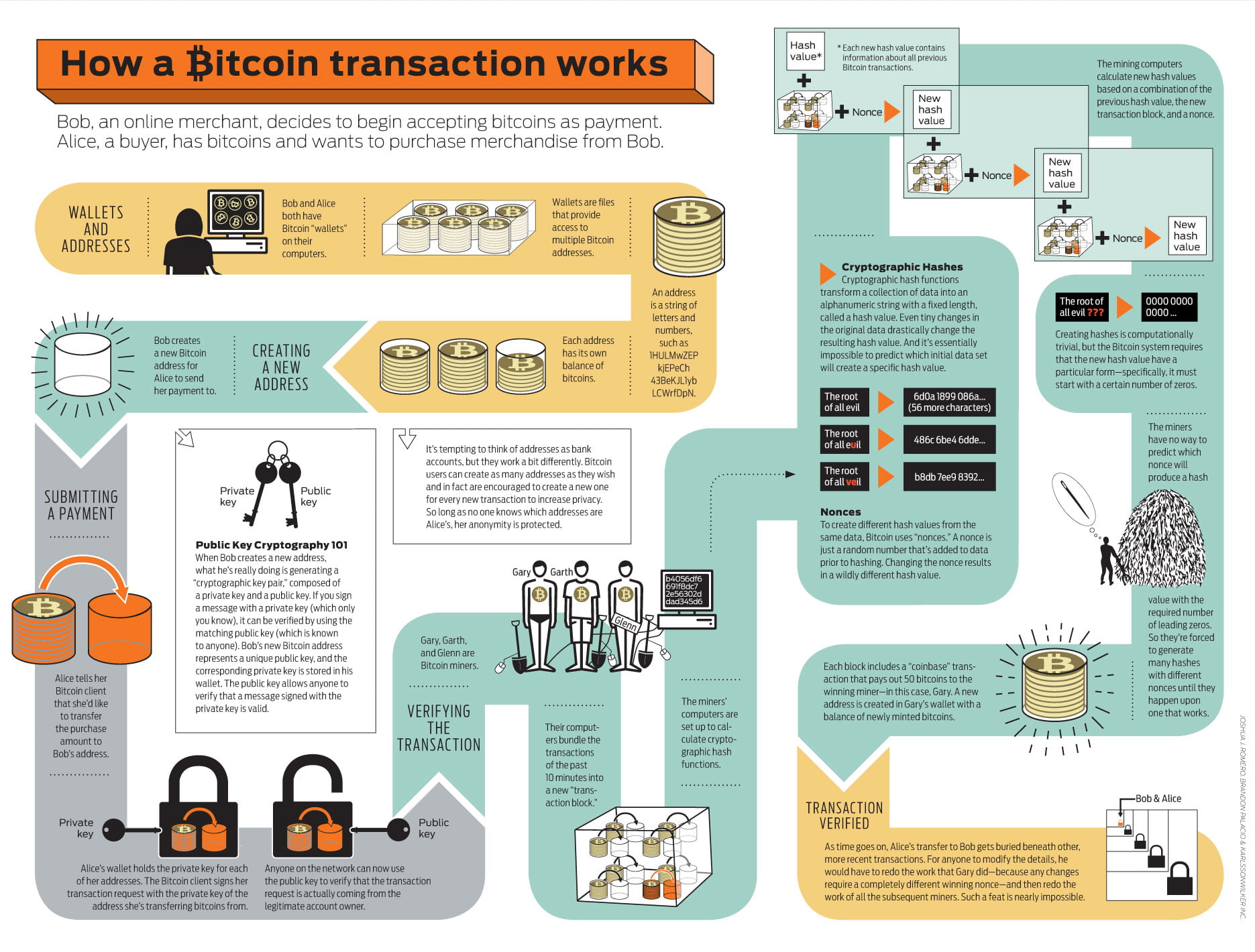
The whitepaper elegantly addresses the double-spending problem, a crucial challenge in creating digital cash. In traditional digital transactions, it’s easy to copy a digital file and spend it multiple times. Nakamoto’s solution is a distributed, timestamped ledger called the blockchain. This public ledger records all Bitcoin transactions in chronological order, making it extremely difficult to tamper with or reverse transactions.
The blockchain is maintained by a network of computers, known as nodes, that validate and confirm transactions through a process called mining. Miners compete to solve complex mathematical problems, and the first miner to solve a problem gets to add the next block of transactions to the blockchain and is rewarded with newly minted bitcoins. This system incentivizes miners to act honestly and maintain the integrity of the network. The difficulty of the mining puzzle adjusts dynamically to maintain a consistent block creation rate of approximately one block every ten minutes.
The whitepaper emphasizes the peer-to-peer nature of Bitcoin. Transactions are sent directly from one user to another, without the need for a trusted intermediary like a bank. This removes the need for central authorities, reducing the risk of censorship and control. It also potentially lowers transaction fees and increases the speed of transactions, although these can vary depending on network congestion.
While concise, the whitepaper touches on several other key concepts, including:
- Digital Signatures: Used to ensure that transactions are authorized by the rightful owner of the bitcoins.
- Hash Functions: Used to create unique and secure identifiers for transactions and blocks in the blockchain.
- Proof-of-Work: The mining algorithm used to secure the blockchain and prevent attacks.
- Simple Payment Verification (SPV): Allows users to verify that transactions have been included in the blockchain without downloading the entire blockchain.
The Bitcoin whitepaper is more than just a technical document; it’s a philosophical statement about the potential for decentralization and the power of cryptography to create a more equitable and transparent financial system. While the Bitcoin ecosystem has evolved significantly since the whitepaper’s publication, its core principles remain fundamental to understanding Bitcoin’s design and its potential impact on the world.
Even without a deep technical background, reading and understanding the Bitcoin whitepaper provides valuable insight into the motivations and mechanisms behind this groundbreaking technology. It offers a glimpse into a future where financial transactions are more secure, transparent, and accessible to all.
 850×1100 bitcoin from www.researchgate.net
  2396×2610 bitcoin basics works from www.cryptalnews.com
  2560×1536 beginners guide bitcoin blockchain ux connections from www.uxconnections.com
  2000×1333 bitcoin infograph insight lies from www.paymentscardsandmobile.com
  3325×2200 guide bitcoin part hood from tech.eu
  2241×1384 bitcoin lightning network total bitcoin from totalbitcoin.org
  0 x 0 cnbc explains bitcoins from www.cnbc.com
  4800×1002 bitcoin logo png transparent image size xpx from pngimg.com
  1871×1420 bitcoin cryptocurrency blockchain from www.piplum.com