Bitcoin Transaction
A Bitcoin transaction is the fundamental unit of operation within the Bitcoin network. It represents a transfer of value from one Bitcoin address to another. Understanding how these transactions work is crucial to grasping the essence of Bitcoin.
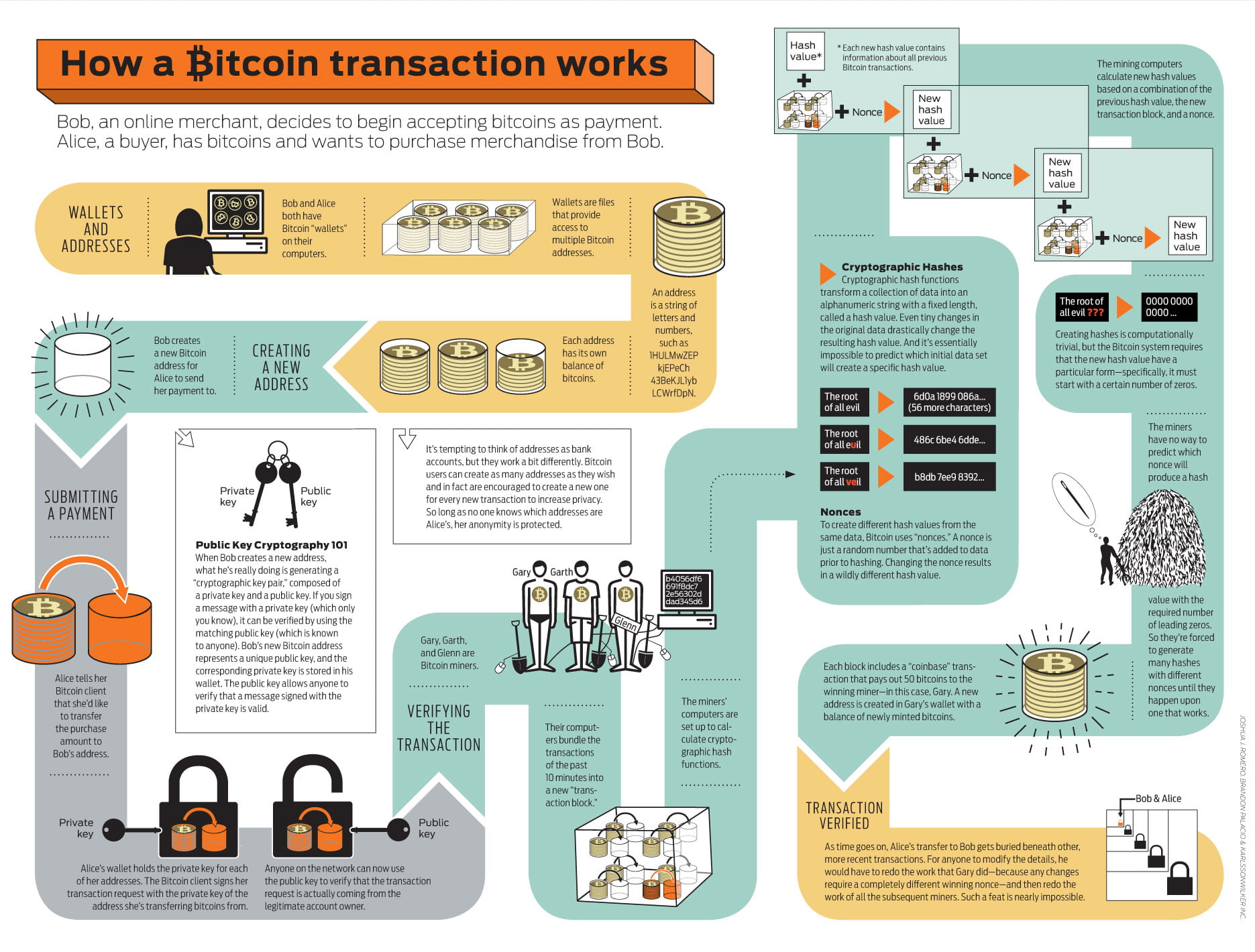
At its core, a Bitcoin transaction is a data structure that specifies the inputs (where the Bitcoins are coming from), the outputs (where the Bitcoins are going), and a digital signature to authorize the transfer. It’s essentially a record that’s broadcast to the entire network for verification and inclusion in the blockchain.
Inputs: Each input refers to a previous transaction output. Think of it as using a dollar bill you received earlier to pay for something. This input contains a reference to the transaction ID of the previous transaction and the index of the specific output within that transaction. Critically, each input also contains a digital signature. This signature, created using the sender’s private key, proves ownership of the Bitcoins being spent and authorizes the transfer. This signature ensures that only the owner of the corresponding private key can spend the Bitcoin associated with that address.
Outputs: Outputs specify the recipient Bitcoin address and the amount of Bitcoin being transferred to that address. An output can be seen as a “promise” to pay a certain amount of Bitcoin to a specific address. A single transaction can have multiple outputs, allowing users to pay multiple recipients in a single transaction. This is a more efficient way to manage multiple payments.
Transaction Fees: When a transaction is created, the sum of the input values might be greater than the sum of the output values. The difference is the transaction fee. This fee is not explicitly assigned to any specific address. Instead, it acts as an incentive for miners to include the transaction in a block. Miners prioritize transactions with higher fees, as they receive these fees as a reward for their work. Transaction fees are crucial for the long-term sustainability of the Bitcoin network, as they compensate miners for securing the network even when block rewards (newly created Bitcoins) diminish.
Transaction Process: The process starts when a user wants to send Bitcoin. They construct a transaction with the appropriate inputs and outputs, sign the transaction with their private key, and broadcast it to the Bitcoin network. Nodes in the network receive the transaction and verify its validity. This verification process involves checking the digital signature, ensuring that the inputs have not already been spent (double-spending), and confirming that the total input values are greater than or equal to the total output values plus the transaction fee.
Once a transaction is verified as valid, it is added to a “mempool,” which is a holding area for unconfirmed transactions. Miners then select transactions from the mempool to include in a new block. The miners solve a complex cryptographic puzzle (proof-of-work) to create a valid block. When a miner successfully solves the puzzle, they broadcast the new block to the network, which includes the transactions they selected from the mempool. Other nodes verify the validity of the block, and if it is valid, they add it to their copy of the blockchain. The transactions in the block are then considered confirmed.
Each subsequent block added to the blockchain further confirms the transactions in previous blocks. The more confirmations a transaction has, the more secure it is against being reversed or double-spent. It’s generally considered that six confirmations provide a high level of security for a Bitcoin transaction.
 1068×541 explained bitcoin transactions work latest news from thecoinrise.com
  1920×1080 bitcoin ingenious platform ingenious from ingenious-iot.eu
  2500×1800 bitcoin transactions work bitcoin work create from ruangpintar50.blogspot.com
  2241×1384 bitcoin lightning network total bitcoin from totalbitcoin.org
  1920×1080 track bitcoin transaction ways blogswitcherecom from blog.switchere.com
  1871×1420 bitcoin cryptocurrency blockchain from www.piplum.com
  1920×1080 bitcoin transactions work insidebitcoinscom from insidebitcoins.com
  740×690 bitcoin transaction work blockchain simple words from www.danielefavi.com
  1024×535 bitcoin transaction understanding process challenges from applicature.com
  800×445 pulling blockchain transaction life cycle blockchain from www.pinterest.com
  602×425 bitcoin fundamentals step step explanation peer peer from medium.com
  1200×600 bitcoin transaction explained works speed bitcoin from changelly.com
  1241×1026 depth guide bitcoin wont leave frustrated orb times from orbtimes.com
  1200×800 check bitcoin transaction unbrickid from unbrick.id
  1366×2136 understanding bitcoin transaction real estate investing today from realestateinvestingtoday.com
  1024×536 track bitcoin transaction payspace magazine from payspacemagazine.com