Bitcoin Bear Market
Understanding Bitcoin Bear Markets
A Bitcoin bear market, like bear markets in traditional finance, signifies a prolonged period of price decline. It’s characterized by pessimism, low investor confidence, and a general retreat from the cryptocurrency market. While the specific duration and severity vary, a decline of 20% or more from a recent peak is generally considered the start of a bear market.
Causes of Bitcoin Bear Markets
Several factors can trigger a Bitcoin bear market. Macroeconomic conditions play a significant role. Rising interest rates, high inflation, or economic recessions can lead investors to reduce their exposure to riskier assets like Bitcoin. Regulatory uncertainty and negative news events, such as government crackdowns on cryptocurrency exchanges or major hacks, can also instill fear and drive prices down.
Market cycles are another key component. Bitcoin’s price history demonstrates a pattern of boom-and-bust cycles. After a period of rapid growth and speculative frenzy (a bull market), a correction is often inevitable as investors take profits and the market cools down. This correction can trigger a cascade effect, leading to a deeper and more prolonged bear market.
Over-leveraged positions can exacerbate the downturn. Many traders use leverage to amplify their potential gains, but this also magnifies their losses. During a bear market, margin calls can force leveraged traders to liquidate their positions, further driving down prices in a domino effect.
Characteristics of a Bitcoin Bear Market
Bear markets are marked by a number of distinct characteristics. Trading volume often decreases as investors become hesitant to buy. Price rallies are typically short-lived and weak, often referred to as “dead cat bounces.” Sentiment shifts dramatically from optimism to pessimism, and fear of further losses becomes widespread. Media coverage tends to become increasingly negative, further reinforcing the bearish narrative.
Navigating a Bitcoin Bear Market
While bear markets can be painful, they also present opportunities for savvy investors. One common strategy is dollar-cost averaging, where you invest a fixed amount of money at regular intervals, regardless of the price. This can help you accumulate more Bitcoin over time when prices are low.
It’s crucial to manage risk effectively. Avoid using excessive leverage and diversify your cryptocurrency holdings. Focus on long-term fundamentals and projects with strong use cases. Remember that bear markets are a natural part of the market cycle and can provide an opportunity to accumulate assets at lower prices before the next bull run. Do your own research, understand the risks involved, and never invest more than you can afford to lose.
Finally, remember that past performance is not indicative of future results. The cryptocurrency market is highly volatile and unpredictable, and even seasoned investors can experience losses. Stay informed, stay disciplined, and avoid making impulsive decisions based on fear or greed.
 1000×667 crypto en route longest bear market history from www.ccn.com
 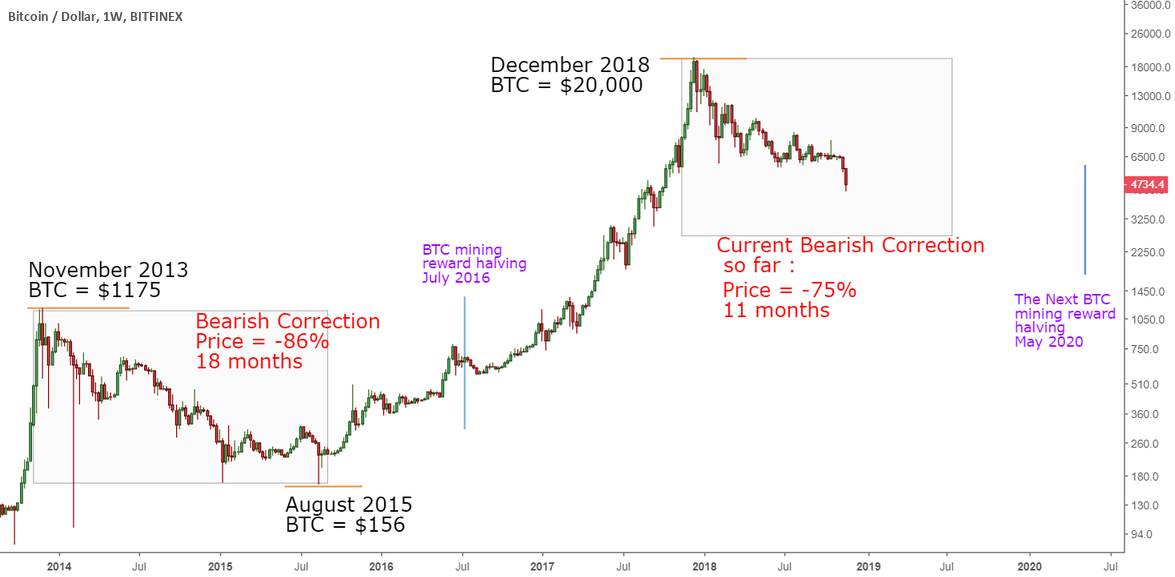 1175×577 bitcoin bear market history bitfinexbtcusd pipcookiemonster from www.tradingview.com
 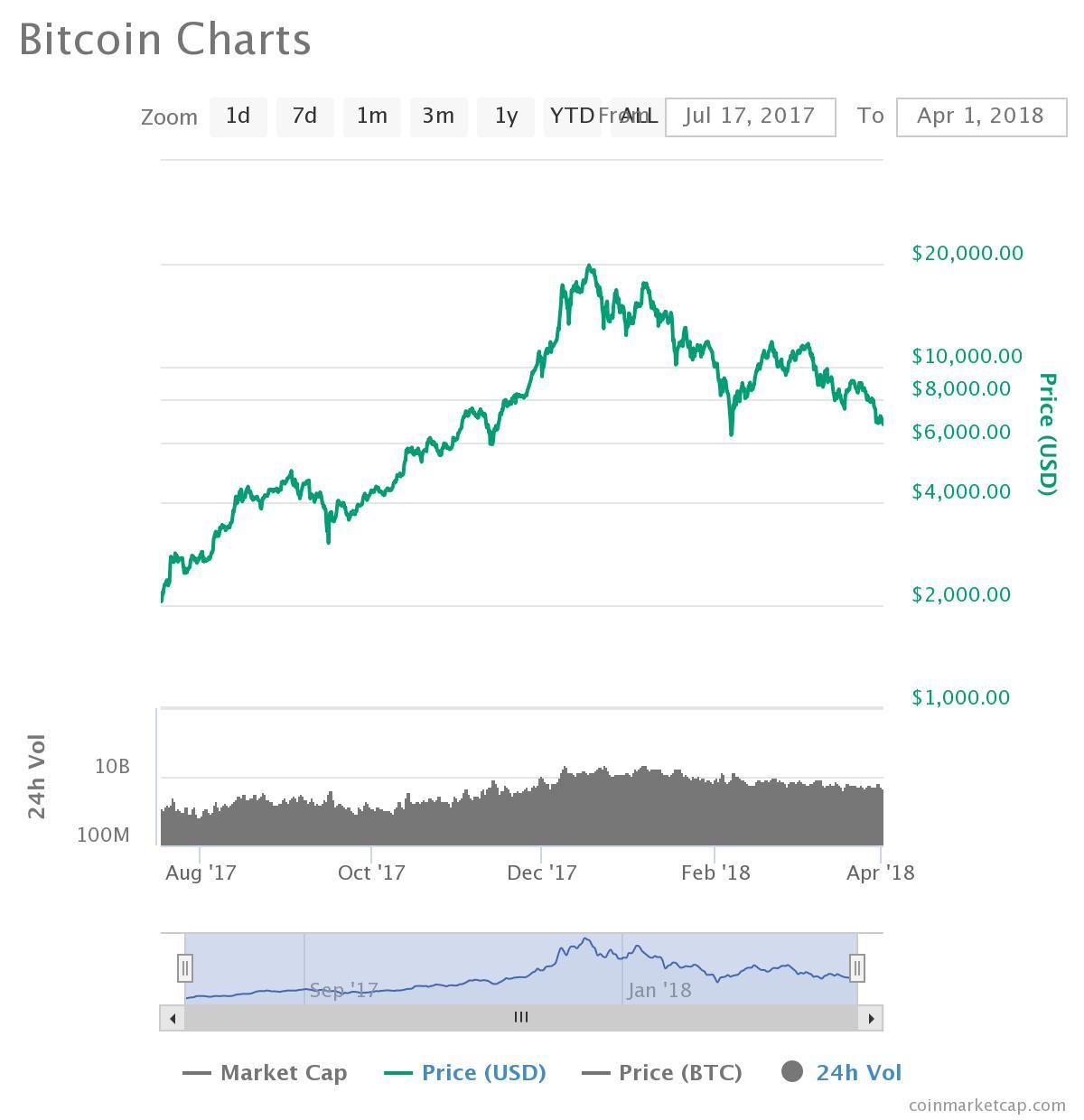 1200×1240 bitcoins bear market cryptocurrencybtc usd seeking alpha from seekingalpha.com
  474×282 bull market crypto bear market from cryptocurrencyfacts.com
  1600×1157 bitcoin crypto bear market concept stock photo image cash buying from www.dreamstime.com