Bitcoin Berapa Dollar
The price of Bitcoin, often asked as “Bitcoin berapa dollar?” (meaning “how much is Bitcoin in dollars?”), is notoriously volatile and subject to constant fluctuations. There’s no single, fixed answer. Instead, the price is determined by supply and demand on various cryptocurrency exchanges around the world.
To find the current price of Bitcoin, you need to consult a reliable source. These include:
* **Cryptocurrency Exchanges:** Platforms like Coinbase, Binance, Kraken, and Gemini offer real-time pricing. * **Financial News Websites:** Reputable news outlets such as Reuters, Bloomberg, and CNBC provide Bitcoin price updates and analysis. * **Cryptocurrency Tracking Websites:** Websites like CoinMarketCap and CoinGecko aggregate price data from multiple exchanges, providing a comprehensive overview.
When checking the price, be aware that it can vary slightly between different exchanges due to factors like trading volume and regional demand. It’s also essential to ensure the source you’re using is reputable to avoid inaccurate or manipulated data.
Several factors influence Bitcoin’s price:
* **Supply and Demand:** Like any asset, Bitcoin’s price is driven by the balance between buyers and sellers. Increased demand, coupled with a limited supply (Bitcoin’s capped at 21 million coins), tends to push the price up. Conversely, increased selling pressure can lead to price declines. * **Market Sentiment:** Public perception and overall market confidence play a significant role. Positive news, institutional adoption, and endorsements from prominent figures can boost sentiment and drive up the price. Negative news, regulatory concerns, or security breaches can have the opposite effect. * **Regulatory Landscape:** Government regulations and policies regarding cryptocurrencies can significantly impact Bitcoin’s price. Clarity and acceptance from regulators tend to be positive, while restrictive or unclear regulations can create uncertainty and negatively affect the price. * **Macroeconomic Factors:** Global economic events, such as inflation, interest rate changes, and geopolitical instability, can also influence Bitcoin’s price. Some investors view Bitcoin as a hedge against inflation or a safe-haven asset during times of economic uncertainty. * **Technological Developments:** Advancements in Bitcoin’s technology, such as improvements to scalability or security, can positively impact its value. Similarly, concerns about security vulnerabilities or network congestion can negatively affect the price. * **Media Coverage:** News articles, social media discussions, and general media attention can all contribute to price volatility. Viral trends or widespread media coverage can amplify both positive and negative price movements.
Keep in mind that the cryptocurrency market is still relatively new and immature compared to traditional financial markets. This contributes to its higher volatility and makes it difficult to predict future price movements. Therefore, any investment in Bitcoin should be approached with caution and a thorough understanding of the risks involved. It’s generally recommended to only invest what you can afford to lose and to diversify your portfolio.
 800×513 bitcoin dollar stock photo image dollars finance from www.dreamstime.com
  2560×1709 bitcoin dollar dominance factors current altcoin from www.newsbtc.com
  800×534 bitcoins dollars stock photo image economic from www.dreamstime.com
  1600×1153 bitcoin dollar exchange golden bitcoin coins btc background from www.dreamstime.com
 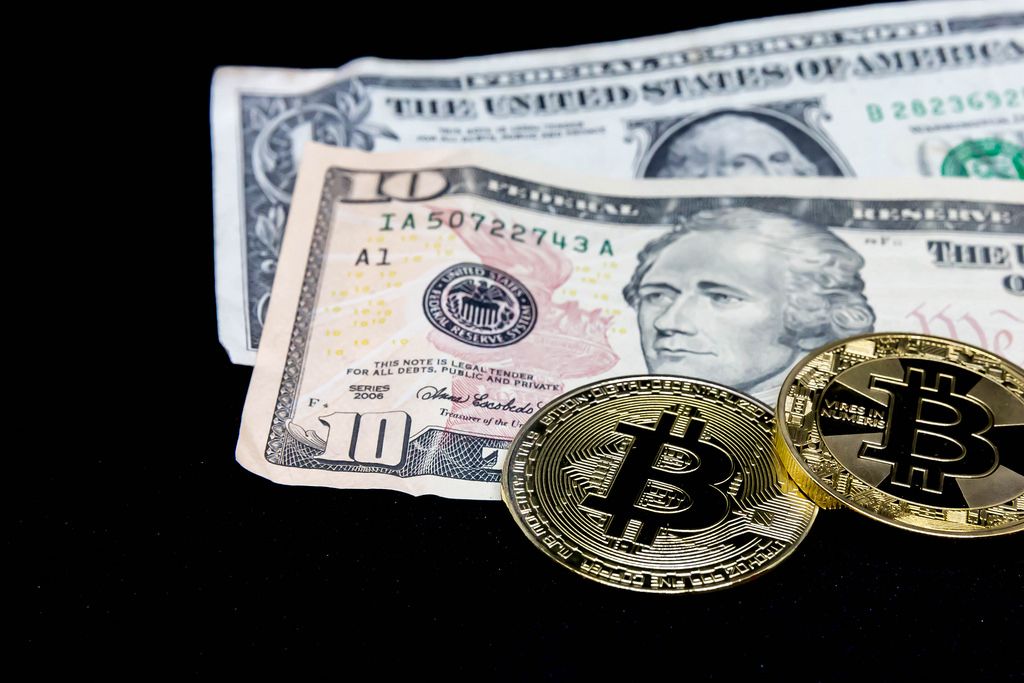 1024×683 dollar bitcoin creative commons bilder from foto.wuestenigel.com
  2048×1283 bitcoin price today currency worth usd gbp from inews.co.uk
  2500×1626 bitcoin price gbp usd today from inews.co.uk
  2000×1335 steps follow started bitcoin onlyfinancenet from onlyfinance.net
  1600×1153 bitcoins dollars money background stock photo image from www.dreamstime.com
  1600×1121 bitcoin dollar bill stock photo image golden dollar from www.dreamstime.com
  1600×1158 bitcoin dollar euro bills investment exchange rate wea stock from www.dreamstime.com