Bitcoin Ke Usd
Bitcoin (BTC) to USD is a prominent and closely watched trading pair in the cryptocurrency market. It represents the exchange rate between Bitcoin, the world’s first and most well-known cryptocurrency, and the United States Dollar, the world’s reserve currency. This pair is crucial for understanding Bitcoin’s value and its integration into the broader financial system.
The value of Bitcoin against the USD is highly volatile and subject to a wide range of influences. Supply and demand dynamics play a significant role. Bitcoin’s limited supply (capped at 21 million coins) means scarcity can drive the price up if demand increases. Conversely, selling pressure can lead to price declines.
Market sentiment is a powerful driver. News, regulatory developments, and public perception influence investor confidence. Positive news, such as institutional adoption or favorable regulatory frameworks, can fuel bullish trends, while negative news, like security breaches or regulatory crackdowns, can trigger bearish sentiment.
Macroeconomic factors also play a part. Inflation, interest rates, and geopolitical events can impact investor appetite for risk assets like Bitcoin. Some investors see Bitcoin as a hedge against inflation, while others treat it as a speculative investment influenced by broader economic trends.
Technological advancements and adoption rates within the blockchain and cryptocurrency space further contribute to Bitcoin’s value. Improvements in Bitcoin’s technology, wider acceptance by merchants and businesses, and growing user adoption generally have a positive impact.
Trading platforms and exchanges facilitate the exchange of Bitcoin for USD. These platforms provide real-time price data, trading tools, and order execution services. The liquidity and efficiency of these exchanges contribute to the overall functioning of the BTC/USD market.
The BTC/USD exchange rate is used for various purposes: pricing goods and services in Bitcoin, valuing Bitcoin holdings, and facilitating arbitrage opportunities between different exchanges. Investors and traders constantly monitor the BTC/USD pair to make informed decisions about buying, selling, or holding Bitcoin.
Predictions about the future of the BTC/USD pair are speculative and vary widely. Some analysts predict significant appreciation based on Bitcoin’s limited supply and increasing adoption, while others caution about potential regulatory risks and market corrections. Understanding the factors that influence the BTC/USD rate is essential for anyone involved in the cryptocurrency market.
In conclusion, the Bitcoin to USD exchange rate is a dynamic and important indicator of Bitcoin’s value and its relationship to the traditional financial system. It is influenced by a complex interplay of factors, including supply and demand, market sentiment, macroeconomic conditions, technological advancements, and regulatory developments. Careful analysis and awareness of these influences are crucial for navigating the Bitcoin market.
 1200×925 aktuell bitcoin erreicht neues rekordhoch from finanzmarktwelt.de
  929×452 bitcoin kurs aktuell entwicklung prognose mehr coin from coin-ratgeber.de
  1200×800 bitcoin kurs prognose wie geht es weiter im juni bitcoinmag from www.bitcoinmag.de
  2053×1210 einzigartig der bitcoin chart von trading evolution from trading-evolution.de
  1400×920 bitcoin price today btcusd exchange rate guide master from masterthecrypto.com
  2000×1083 bitcoin btc price analysis november from cryptocomes.com
  2376×1862 bitcoin kurs bis from bret-draper.blogspot.com
  1509×908 usd bitcoin exchange rates from cathcartha.co.uk
  1536×712 bitcoin kurs usd top nach halving from www.dailyfx.com
 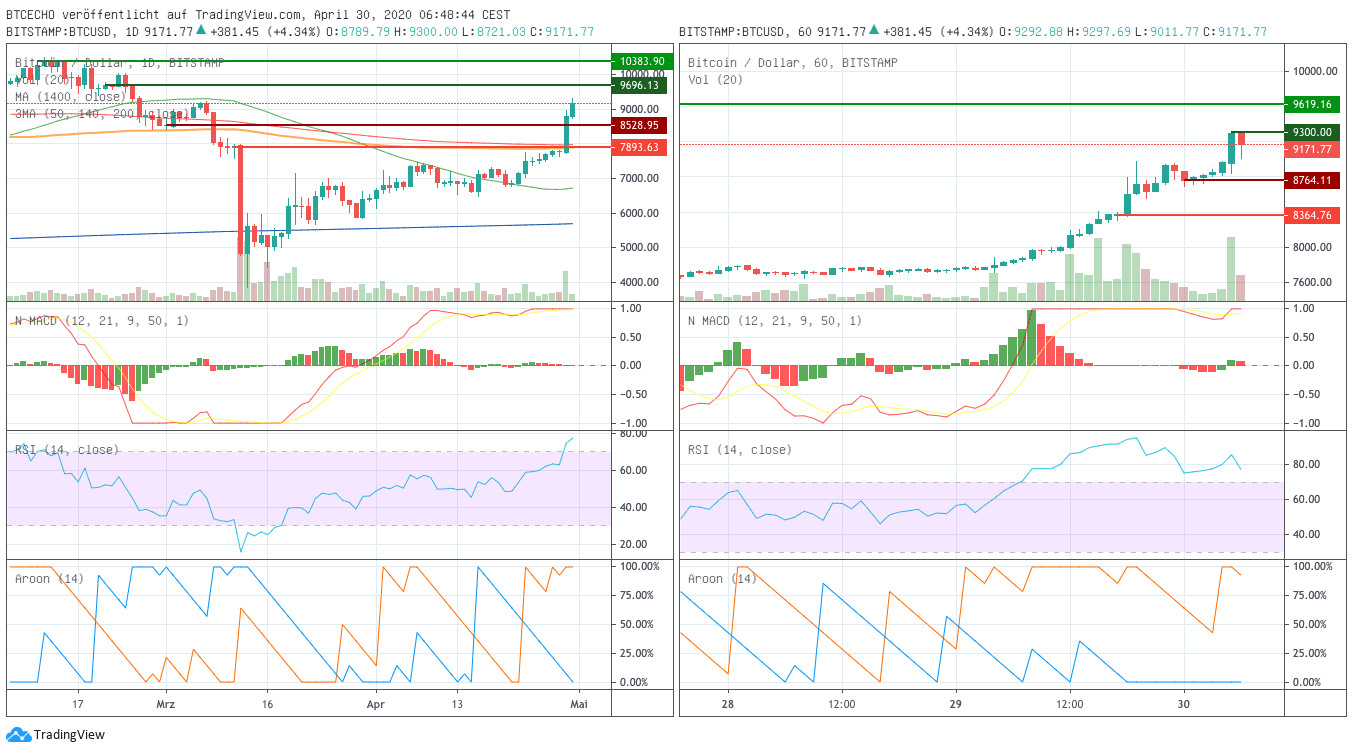 1353×753 bitcoin kurs btc steigt um prozent kursexplosion krypto markt from www.btc-echo.de
  663×531 bitcoin btcusd ethereum ethusd caught key moving averages from www.dailyfx.com
  1200×600 btc usd today bitcoin rate dollar from www.bolnews.com