Crypto Bull Run Cycle
The crypto market, notorious for its volatility, operates in cycles of booms and busts, often referred to as bull and bear markets. Understanding these cycles is crucial for navigating the crypto landscape and potentially maximizing returns. A bull run, characterized by a sustained increase in prices and positive market sentiment, is the period every crypto investor hopes to experience.
A typical bull run cycle often begins after a prolonged period of consolidation or a “crypto winter,” where prices have stagnated or declined significantly. This period typically sees a decrease in media attention and a general disinterest in cryptocurrencies. The seeds of the next bull run, however, are being sown during this lull. Developers continue to build and innovate, underlying technologies improve, and new use cases emerge.
The catalyst for igniting a bull run can vary. It could be the emergence of a groundbreaking technology, increased institutional adoption, favorable regulatory developments, or even a purely speculative frenzy fueled by social media and viral trends. Bitcoin, the original cryptocurrency, often leads the charge, with its price surge drawing attention and capital into the broader crypto market.
As Bitcoin gains momentum, altcoins (alternative cryptocurrencies) tend to follow suit. Some altcoins, particularly those with strong fundamentals, innovative solutions, or significant community support, may experience exponential growth, outperforming Bitcoin’s gains. This phase is often characterized by initial coin offerings (ICOs) and new project launches, attracting both seasoned investors and newcomers eager to capitalize on the perceived opportunity.
The “fear of missing out” (FOMO) becomes a powerful driver as prices continue to climb. Individuals who were previously skeptical or hesitant to invest start pouring money into the market, further fueling the upward trend. Media coverage intensifies, stories of overnight riches proliferate, and the general public becomes increasingly aware of cryptocurrencies.
However, bull runs are inherently unsustainable. The rapid price appreciation eventually becomes detached from underlying value, creating a bubble. Overleveraging, excessive speculation, and a lack of fundamental understanding contribute to the fragility of the market. Smart money, those with a deeper understanding of market cycles, often begin to take profits, selling their holdings as prices reach unsustainable levels.
Eventually, the bull run reaches its peak. This is typically marked by extreme greed, irrational exuberance, and unsustainable price levels. A correction, or a significant price decline, is inevitable. This correction can be triggered by various factors, such as negative news, regulatory crackdowns, or simply profit-taking by large investors.
The correction can be swift and brutal, leading to a significant loss of value for many investors. This marks the beginning of the bear market, where prices continue to decline, and market sentiment turns negative. While painful, the bear market is a necessary phase in the cycle, allowing the market to cleanse itself of excesses and create a foundation for the next bull run. Understanding the cyclical nature of the crypto market, recognizing the signs of a bull run nearing its end, and managing risk accordingly are crucial for long-term success in this dynamic and evolving asset class.
 1306×775 bitcoin bull cycle pattern bncblx from www.tradingview.com
  2662×1700 bull run bitcoin time from www.tradingview.com
  474×340 bitcoin halving bull run cycle from medium.com
  1280×720 bear bull bitcoin market understand cryptocurrency from www.youtube.com
  1577×887 bitcoin started bull cycle bitstampbtcusd excavo from www.tradingview.com
  1472×888 history repeats bitcoin reach bull cycle from cryptopotato.com
  1200×630 bitcoins present bull run extraordinary compared from blockchain.news
 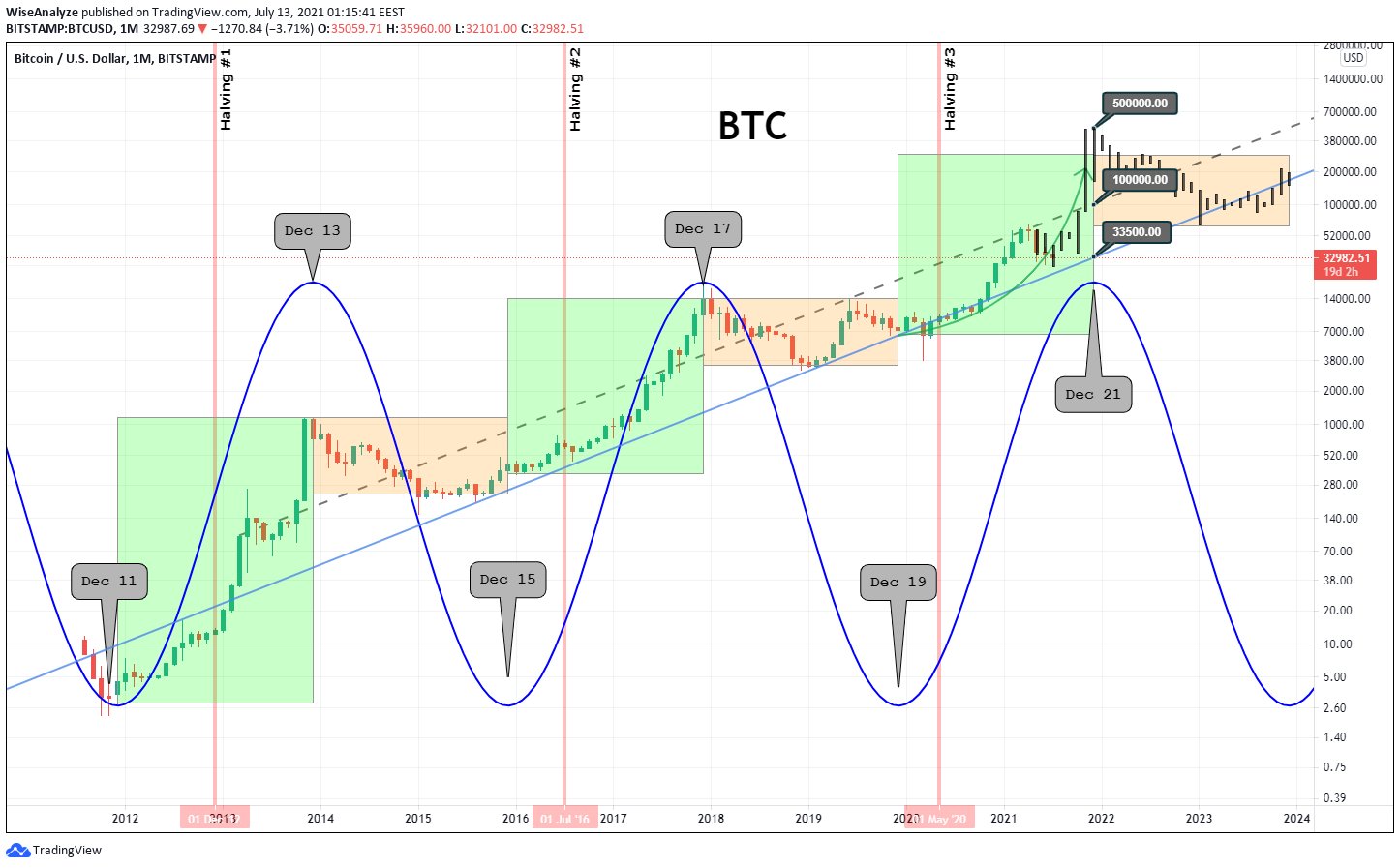 1446×897 krypto zyklus passiert mit bitcoin im dezember from coin-update.de
  2560×1441 top bitcoins bull run planb from cryptopotato.com