Crypto Bull Run History
A History of Crypto Bull Runs
Cryptocurrency bull runs, periods of sustained and substantial price increases, are hallmarks of the crypto market. Understanding their history helps investors identify potential future trends and manage risk, though past performance is never a guarantee of future results. Several factors typically contribute to these runs, including increased adoption, technological advancements, regulatory developments, and overall market sentiment.
Early Days: 2011-2013
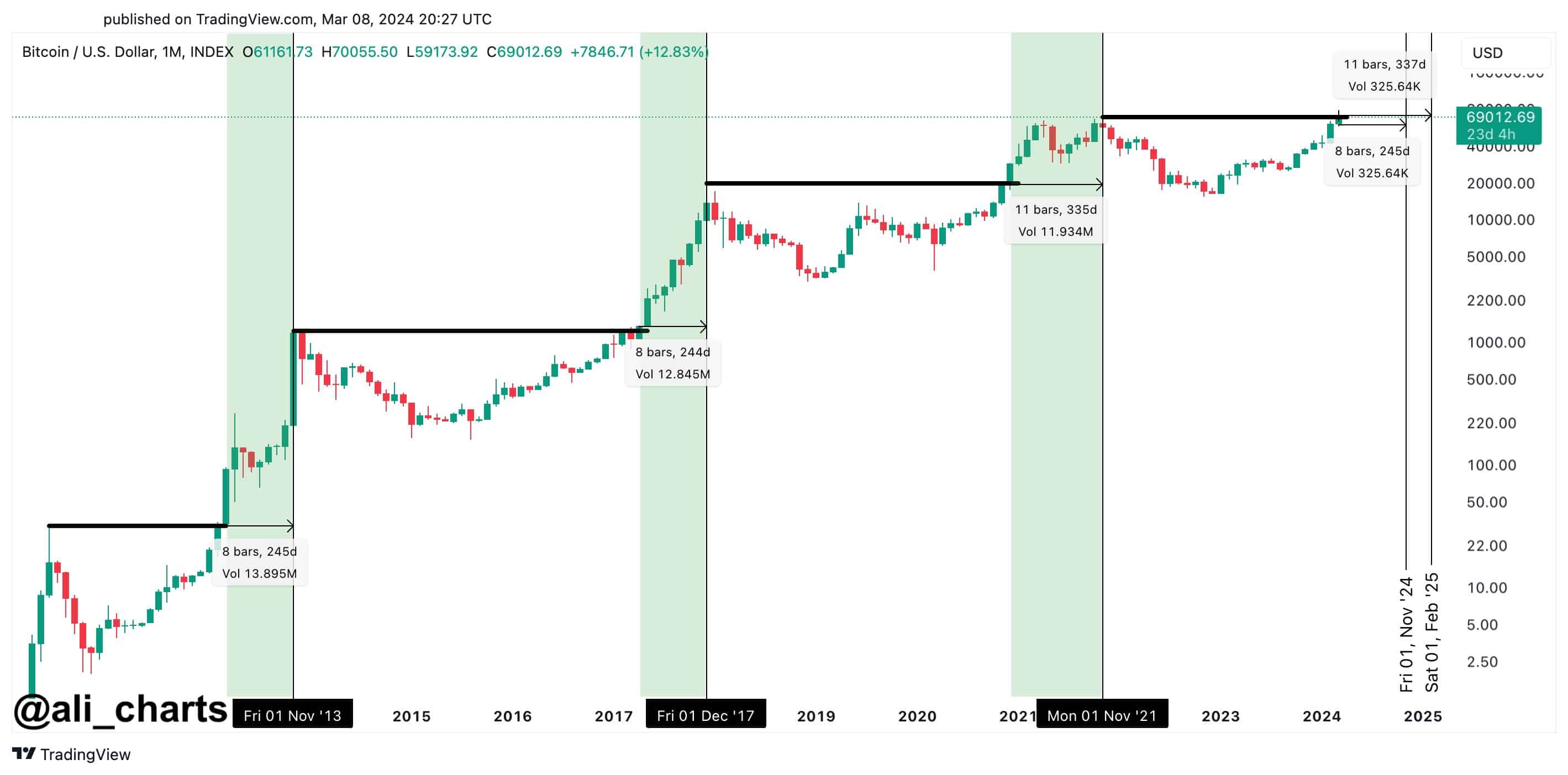
The first significant bull run centered around Bitcoin. Starting in 2011, Bitcoin experienced a dramatic price surge from under $1 to over $30 by June of that year. This early run was driven by increased awareness of the cryptocurrency concept and its potential as a decentralized alternative to traditional finance. A subsequent bubble burst saw prices plummet, but it laid the groundwork for future growth.
The next major bull run occurred in 2013, propelling Bitcoin from around $13 to over $1,100 by December. This increase was fueled by increasing media coverage, the opening of the Silk Road (initially), and a growing understanding of Bitcoin’s scarcity. The collapse of Mt. Gox, a major Bitcoin exchange, triggered a significant correction, highlighting the risks associated with centralized exchanges.
The 2017 ICO Boom
2017 saw a massive influx of capital into the cryptocurrency market driven by the Initial Coin Offering (ICO) boom. Ethereum’s smart contract functionality enabled projects to raise funds by issuing their own tokens. Bitcoin also surged to nearly $20,000. Many altcoins experienced exponential growth, though many were based on flimsy concepts and ultimately failed. The primary drivers were easy access to funding, FOMO (fear of missing out), and a general lack of understanding of the underlying technologies.
The subsequent “crypto winter” of 2018-2019 saw a significant correction, wiping out many ICO projects and highlighting the speculative nature of the market.
Institutional Adoption and DeFi: 2020-2021
The bull run of 2020-2021 was different from previous cycles. It was fueled by a confluence of factors: increased institutional adoption, the rise of decentralized finance (DeFi), and macroeconomic conditions, including government stimulus during the COVID-19 pandemic. Companies like MicroStrategy and Tesla invested heavily in Bitcoin, legitimizing it as an asset class. DeFi platforms offered new ways to earn yield on crypto assets, attracting significant capital. Bitcoin reached an all-time high of nearly $69,000, and Ethereum also saw substantial gains.
The emergence of NFTs (Non-Fungible Tokens) also contributed to the bullish sentiment, though this sector also experienced significant volatility.
Looking Ahead
Identifying future bull runs is challenging. Regulatory changes, technological innovations, macroeconomic conditions, and shifts in investor sentiment all play a crucial role. Understanding the historical drivers of previous bull runs can provide valuable context, but it’s essential to approach the cryptocurrency market with caution and conduct thorough research before investing. Market cycles are inherent, and corrections are inevitable. Long-term value lies in projects with strong fundamentals, sustainable use cases, and robust communities.
 1920×1080 bitcoin bull run from blog.bitpanda.com
  458×318 whats bitcoins bull run bitcoin bull run from academy.moralis.io
  474×263 understanding bitcoins bull run bitcoin predictions moralis from academy.moralis.io
  1242×663 speculate bullrun top data from www.reddit.com
  1200×708 history crypto bull bear markets blockchains from 101blockchains.com
  900×536 historical bitcoin cycles hint charging btc bull run from www.reddit.com
  474×331 charts show bitcoin bull run isnt stopping from coingape.com
  2868×1654 bitcoin bull run bear market weekly chart june bitstamp from www.tradingview.com
  2662×1700 bull run bitcoin time from www.tradingview.com
  1200×1554 beginning bitcoin bull run bull run bitcoin infographic from www.pinterest.com
  1472×888 history repeats bitcoin reach bull from www.bitcoininsider.org
  1024×480 crypto bull run officially started insights from crypto.news
  1669×967 explained bitcoin halving nex crypto bull run from fintelegram.com
  740×428 analysis bitcoins bull run top expected january from cryptopotato.com
  474×340 bitcoin halving bull run cycle from medium.com
  1470×856 historical data bull run btc ltc peak from www.reddit.com
  1200×605 bitcoin exclusive bull run technical analysis comprehensive guide from coinmarketcap.com
  1249×681 bitcoin tendency differences today from elitecurrensea.com
  474×217 crypto bull run history crypot coni from crypotconi.blogspot.com
  1400×800 bitcoins bull run impact crypto market health eu from www.eubusinessnews.com
  1980×1170 crypto bull run history rise bitcoin altcoins techopedia from www.techopedia.com
  1200×628 bitcoin price analysis heres timeline bitcoin bull run from coinpedia.org
  1200×580 ready upcoming crypto bull run blockchains from 101blockchains.com
  1800×1013 crypto bull run history fremveksten av bitcoin og altcoins from www.techopedia.com
  2838×1403 bitcoin btc price bull run continue november from coingape.com
  1044×546 crypto bull run accelerates ethereum binance coin bnb retest from coinpedia.org
  996×663 prepare crypto bull run from blog.cwallet.com
  474×248 crypto bull run navigating trends smart investments from blog.nebeus.com
  1280×720 millions crypto bull run strategy from www.youtube.com
  1280×720 largest crypto bull run history late youtube from www.youtube.com
  0 x 0 crypto bull run ready market cycle youtube from www.youtube.com
  1080×1080 bitcoin bull run exploring intriguing phenomenon crypto from nurp.com
  780×507 meaning crypto bull run bull run from www.cryptoemotions.com
  900×501 crypto bull run updated insights biggest crypto rally from www.morpher.com