Bitcoin Next Halving
The Bitcoin halving, a pre-programmed event that occurs roughly every four years, is a significant moment in the cryptocurrency’s lifecycle. It directly impacts the rate at which new bitcoins are created, effectively reducing the supply entering the market. The next halving, expected to occur in April or May of 2024, is generating considerable anticipation and debate within the crypto community.
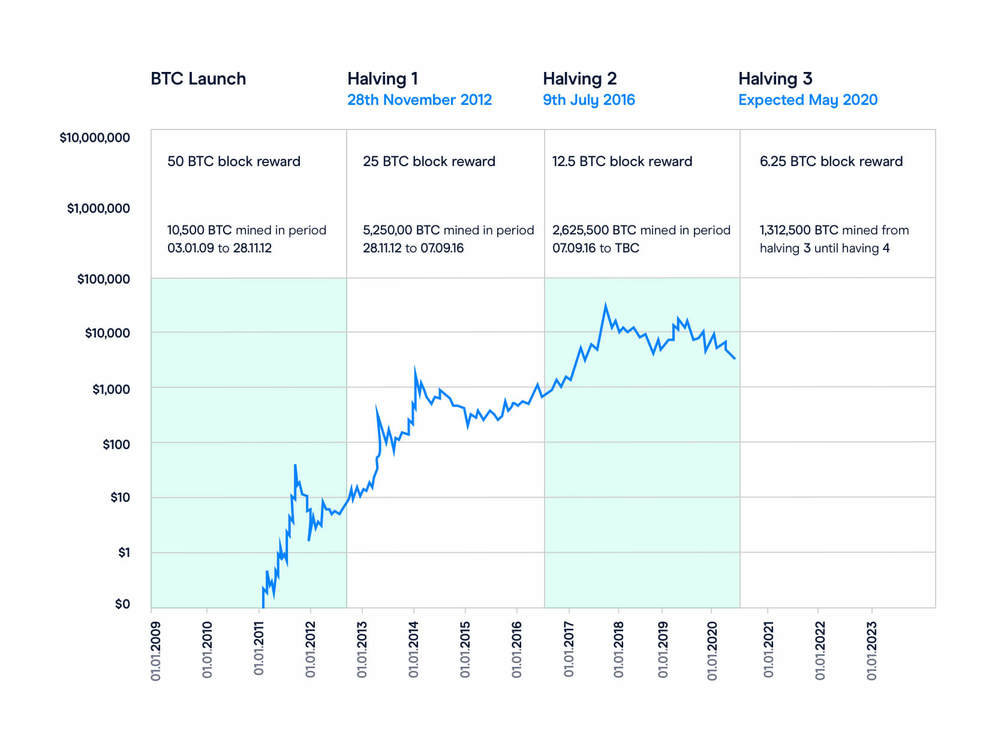
Currently, miners receive 6.25 bitcoins as a reward for successfully validating a block of transactions. After the halving, this reward will be cut in half to 3.125 bitcoins per block. This mechanism is embedded in Bitcoin’s code to control inflation and gradually decrease the total supply until it reaches its capped limit of 21 million bitcoins. Once all 21 million bitcoins are mined, no more will ever be created, making it a deflationary asset, unlike traditional fiat currencies that can be printed at will by central banks.
The halving has historically been associated with price increases in the months and years following the event. This is largely attributed to the simple economic principle of supply and demand. As the supply of new bitcoins diminishes, and if demand remains constant or increases, the price is likely to rise. However, it’s crucial to remember that past performance is not indicative of future results, and various other factors can influence Bitcoin’s price, including macroeconomic conditions, regulatory changes, and market sentiment.
The impact of the halving on Bitcoin miners is also significant. With their block rewards halved, their revenue stream is directly affected. Miners will need to adapt by either increasing their efficiency (e.g., using more energy-efficient mining hardware), reducing their operational costs, or relying on transaction fees to compensate for the reduced block reward. It could also potentially lead to a consolidation within the mining industry, with smaller, less efficient miners being forced out of the market.
Beyond the immediate economic impacts, the halving reinforces Bitcoin’s core principles of scarcity and decentralization. It serves as a reminder of the limited supply and the predictable nature of the protocol. It also highlights the programmed, non-discretionary nature of Bitcoin’s monetary policy, a stark contrast to the often-opaque and unpredictable actions of central banks. Whether the next halving will trigger another significant price surge remains to be seen, but it will undoubtedly be a pivotal moment for Bitcoin and the broader cryptocurrency market.
 1306×775 bitcoin roadmap halving reward phases cycles from www.tradingview.com
  1212×606 bitcoin halving btc halving swissquote from en.swissquote.com
  1200×1200 bitcoin halving from www.ig.com
  474×256 bitcoin halving bitcoin halving zenledger from www.zenledger.io
  1280×720 bitcoin halving heres bcgame blog from blog.bc.game
  1514×801 bitcoin halving price chart date countdown timer from themoneymongers.com
  992×741 bitcoin halving cmc markets from www.cmcmarkets.com
  1024×584 bitcoin halving matters tradinglinks nz from tradinglinks.co.nz
  1348×481 bitcoin halving price charts btc halving from changelly.com
  474×265 explaining bitcoin halving from www.publish0x.com